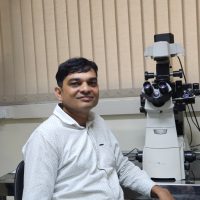
Dr. Anindya Ghosh Roy
Scientist-VI / Professor



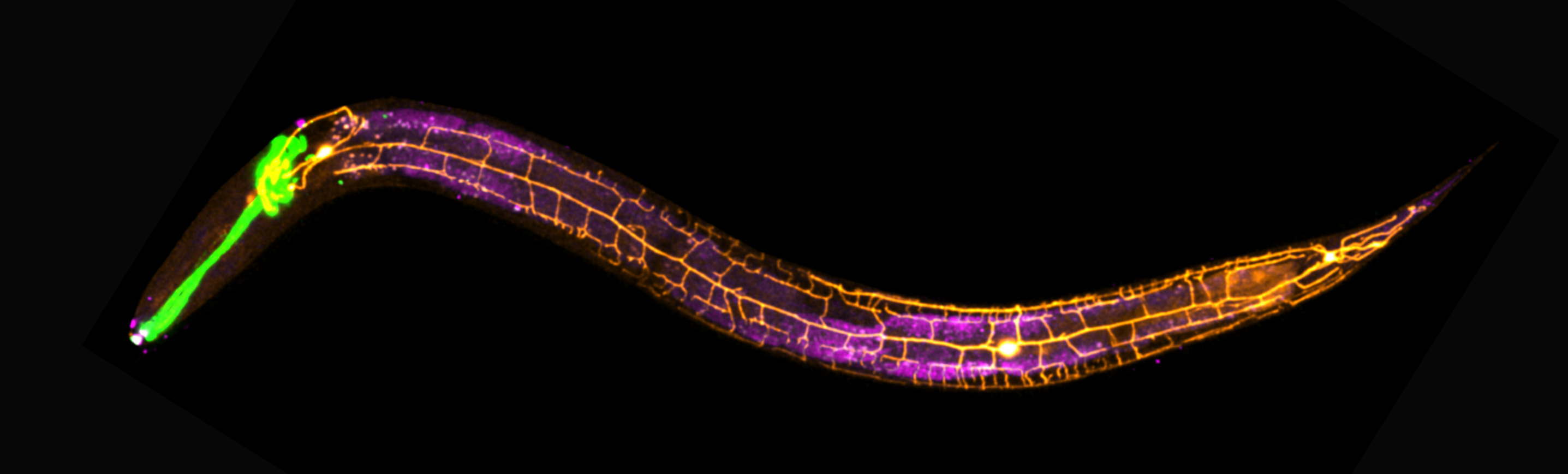
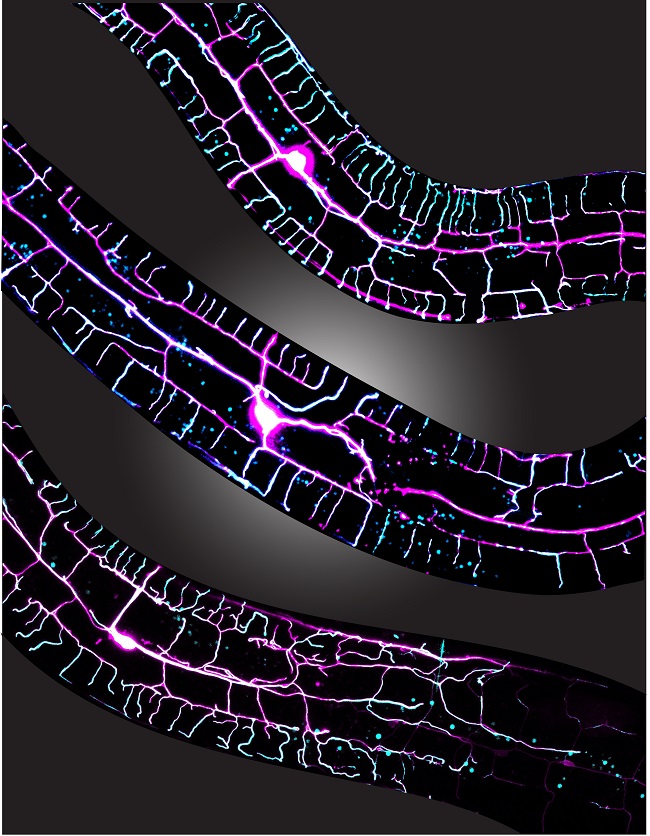
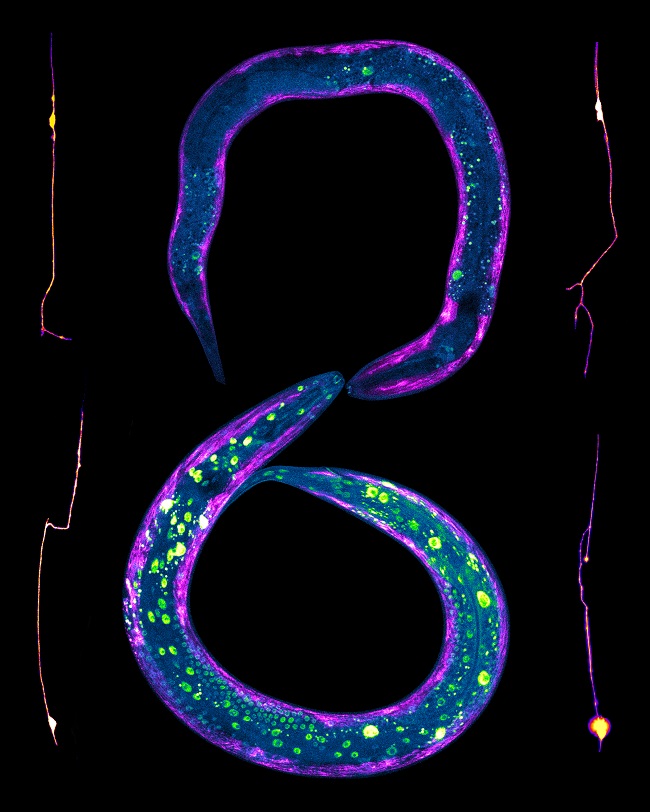
Our lab is interested in understanding how the nervous system develops, and after injury how it repairs. To circumvent the complexity of the human nervous system, we use the nematode Caenorhabditis elegans as a model organism with 302 neurons, with a well-known connectome. The ease of genetic manipulation and the advantage of imaging the neurons in live animals allow us to uncover the principles of neuronal development and regeneration using this system.
We have also initiated a new project to investigate the neuroscience behind mental health disorders in the adolescent population with a broader aim of understanding the plasticity of the human prefrontal cortex.
Research
Development and repair of neural circuit in C. elegans
Background: Functional neuronal circuits are subject to environmental stress and mechanical injury during the normal life of an individual. However, the mechanisms that repair neuronal damage after injury remain unclear. C. elegans offers tremendous advantages to address these questions. First genetic techniques are powerful in C. elegans, and their transparent body allows researchers to sever neuronal processes in adulthood using laser. In past our work have helped develop C. elegans as a model for axon regeneration studies. We found that in response to laser injury C. elegans neurons use the conserved Ca2+/cAMP cascade and the effect of Ca2+ or cAMP in axon regrowth is dependent on the p38 MAP Kinase pathway involving Dual Leucine Zipper Kinase (DLK-1). Genetic screening and in vivo imaging further revealed that one of the key targets of the DLK-1 MAPK pathway is axonal microtubule cytoskeleton. Overall our work has developed a rich set of assays to study axonal cell biology in vivo, focusing on regeneration. We will combine these tools with the facile genetics of C. elegans to address new questions in neuronal development, maintenance and regeneration.
1) Cell biological mechanisms regulating neuronal polarity
Microtubule cytoskeleton is the basis of the polarized structure of neuron. Stabilization of microtubule determines neuronal polarity. Since microtubule stability is inversely related to microtubule depolymerization, neuronal polarization must be accompanied by the protection of microtubules from microtubule destabilization players. It is not clear yet, what regulates microtubule-depolymerizing enzymes directly or protects microtubules from depolymerization during the establishment of neuronal polarity. Using genetic screening we are identifying candidates that regulates microtubules during the establishment of neuronal polarity. This study deals with the long-standing question in neuronal cell biology that how axonal microtubules are stabilized without the influence of centrosome. This will also help us elucidate the mechanisms by which neuronal polarity cues instruct structural components of neuron to build polarity.
2) Cell biological mechanisms regulating neuronal maintenance and regeneration
In order to understand how microtubules are maintained after axon development, we will focus on post-translational modification mechanism of tubulin. First we will analyze the mechanisms regulating tubulin detyrosination in vivo, using a forward genetic screen for suppressors of a tubulin tyrosine ligase mutant and test the molecular function of the suppressors using biochemical assay. We will study how synaptogenesis and synaptic plasticity pathways regulate tubulin post-translational modifications in mature and remodeling neural circuit respectively. Finally, we will ask, how neuronal cytoskeleton is regulated by axonal injury. This will allow us to test further whether by changing the parameters of microtubule dynamics one can prevent degeneration and promote regeneration.
3) Behavior and neural circuit:
Our work on the development of neural circuit inspired us asking how a developed circuit function to give rise to specific behavior. Since the entire nervous system of C. elegans is anatomically mapped, many of the behaviors are being studied at the level of neural circuit. The long-term goal is to manipulate the perturbed circuit in disease conditions to help recover the function. We will combine calcium imaging, molecular genetics and behavioral assays towards this goal.
-
Behera S and Ghosh-Roy A “Exercise-induced differential transcriptional output of AMPK signalling improves axon regeneration and functional recovery” The Journal of Neuroscience (2026)
-
Sharma S, Ponniah K, Bandyopadhyay I, Vadawale D, Sandhya PK, Ghosh Roy A “Worm orthologues of cytokinesis-associated proteins CIT and ASPM regulate neuronal microtubule dynamics and polarity in C. elegans” Plos Genetics (2026)
-
Singh P, Vasudevan M, Dey S, Selvarasu K, Balakrishnan S, Bassi D, Ghosh Roy A “The conserved fibroblast growth factor receptor-based signaling is required for dendrite regeneration” PNAS (2026)
-
Behera S; Ravivarma S: Roy D; Ghosh-Roy A “Independent control of functional rewiring after axon injury by let-7 miRNA and insulin/insulin-like growth factor signaling pathways” Journal of Biosciences Springer Link (2025)
-
Brar HK; Dey S; Singh P; Pande D; Ghosh-Roy A “Functional Recovery Associated with Dendrite Regeneration in PVD Neuron of Caenorhabditis elegans” eNeuro (2024)
-
Dey S; Kumar N; Balakrishnan S; Koushika PS; Ghosh-Roy A “KLP-7/Kinesin-13 orchestrates axon-dendrite checkpoints for polarized trafficking in neurons” Molecular Biology of the cell (2024)
-
Singh P; Selvarasu K; Ghosh-Roy A “Optimization of RNAi efficiency in PVD neuron of C. elegans” PLOS One (2024)
-
Puri D; Sharma S; Samaddar S; Ravivarma S; Banerjee S; Ghosh-Roy A “Muscleblind-1 interacts with tubulin mRNAs to regulate the microtubule cytoskeleton in C. elegans mechanosensory neurons” PLOS Genetics (2023)
-
Brar HK; Dey S; Bhardwaj S; Pande D; Singh P; Dey Shirshendu; Ghosh-Roy A “Dendrite regeneration in C. elegans is controlled by the RAC GTPase CED-10 and the RhoGEF TIAM-1” PLOS Genetics (2022)
-
Basu, A; Dey, S; Behra, S, Bhardwaj, S; Dey, S; and Ghosh-Roy, A “Regulation of UNC-40/DCC and UNC-6/Netrin by DAF-16 promotes functional rewiring of the injured axon” Development (2021)
-
Kadam, NY; Behera, S; Kumar, S; Ghosh-Roy, A; and Babu K “The G-protein coupled receptor SRX-97 is required for concentration dependent sensing of Benzaldehyde in Caenorhabditis elegans” eNeuro (2021)
-
Kumar, S; Basu, S; Behera, S; Dey, S; and Ghosh-Roy, A “Swimming exercise promotes post-injury axon regeneration and functional restoration through AMPK” eNEURO (2021)
-
Pandey, P; Singh, A; Kaur, H; Ghosh-Roy, A; K Babu “Increased dopaminergic neurotransmission results in ethanol dependent sedative behaviors in Caenorhabditis elegans” PLOS GENETICS (2021)
-
Puri, D; Ponniah, K; Biswas, K; Basu, A; Dey, S; Lundquist, E.A; and Ghosh-Roy, A “Wnt Signaling Establishes the Microtubule Polarity in Neuron Through Regulation of Kinesin-13” Journal of Cell Biology (2021)
-
Puri D; Ponniah K; Biswas K; Basu A; Lundquist AE; Ghosh-Roy A “WNT Signaling Establishes Microtubule Polarity in Neuron Through the Regulation of Kinesin-13 Family Microtubule Depolymerizing Factor” Sneak Peek in Cell Press (2019)
-
Basu A., Dey S., Puri D., Das Saha N., Sabharwal V., Thyagarajan P., Srivastava P., Koushika S. P. and Ghosh Roy A “Let-7 Mirna Controls Ced-7 Homotypic Adhesion and Eff-1- Mediated Axonal Self-Fusion to Restore Touch Sensation Following Injury” Proc Natl Acad Sci U S A (2017)
-
Ghosh-Roy, A., Goncharov, A., Jin, Y., Chisholm A.D “Kinesin-13 and tubulin posttranslational modifications regulate microtubule growth in axon regeneration” Developmental Cell (2012)
-
Chen, L., Wang, Z., Ghosh-Roy, A., Hubert, T., Yan, D., O’ Rourke, S., Bowerman, B., Wu, Z., Jin, Y., and Chisholm, A.D “Axon regeneration pathways identified by systematic genetic screening in C. elegans” Neuron (2011)
-
Ghosh-Roy, A. & Chisholm A.D “C. elegans: a new model organism for studies of axon regeneration. Developmental Dynamics” Developmental Dynamics (2010)
-
Ghosh-Roy, A., Wu, Z., Ghoncharov, A., Jin, Y., Chisholm A.D “Calcium and cyclic AMP promote axonal regeneration in C. elegans and require DLK-1 kinase” Journal of Neuroscience (2010)
-
Wu, Z., Ghosh-Roy, A., Yanik, M.F., Zhang, J.Z., Jin, Y., and Chisholm, A.D “C. elegans neuronal regeneration is influenced by life stage, synaptic branching, and ephrin signaling” Proc Natl Acad Sci U.S.A (2007)
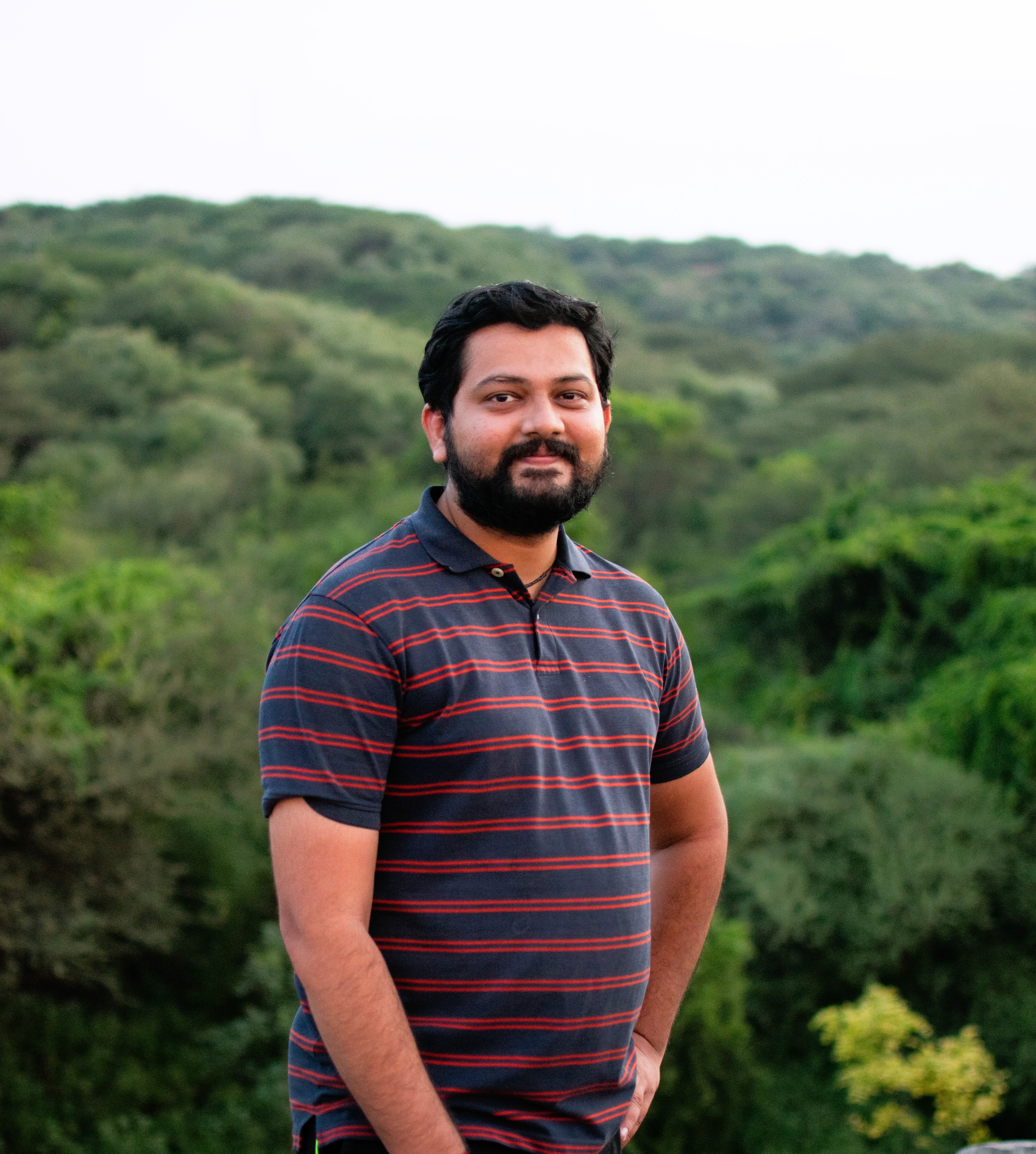
Dhyey Vyas
Phd Student
Senior Research Fellow
MSc in Cell and Molecular Biology From MSU Baroda Currently studying neural circuits using optogenetics
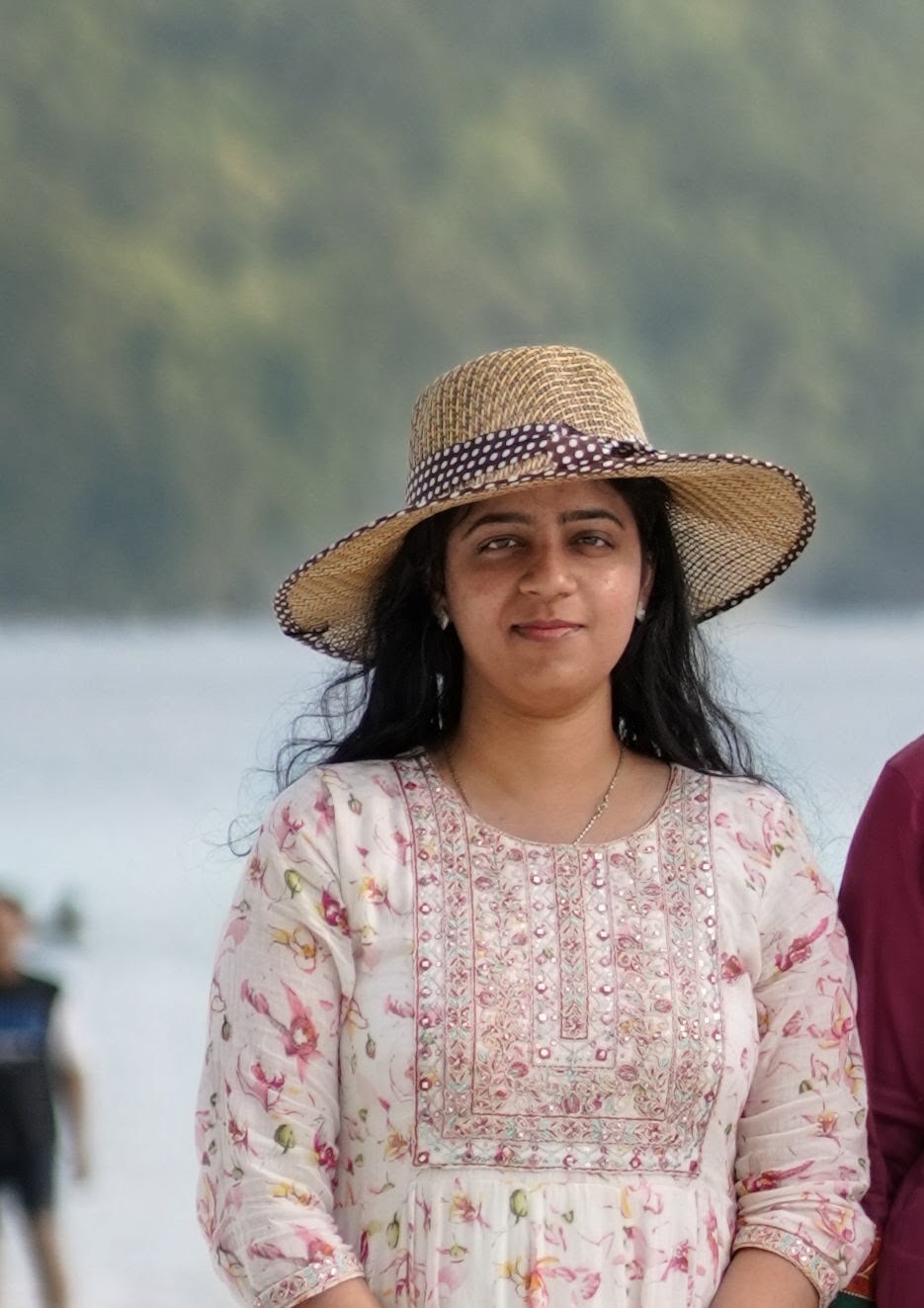
Chakshu Mangal
Phd Student
Senior Research Fellow
MSc in Botany currently investigating the role of cytoskeleton in the development and repair of nerve cells

Sukriti Aggarwal
Phd Student
Junior Research Fellow
MSc in Biochemistry from University of Hyderabad Initiating two projects involving pathways related to dendrite regeneration and investigating non coding RNA involved in axon regeneration

Supriya Singh
Phd Student
Junior Research Fellow
Supriya completed her MSc in Biotechnology from Delhi Technological University

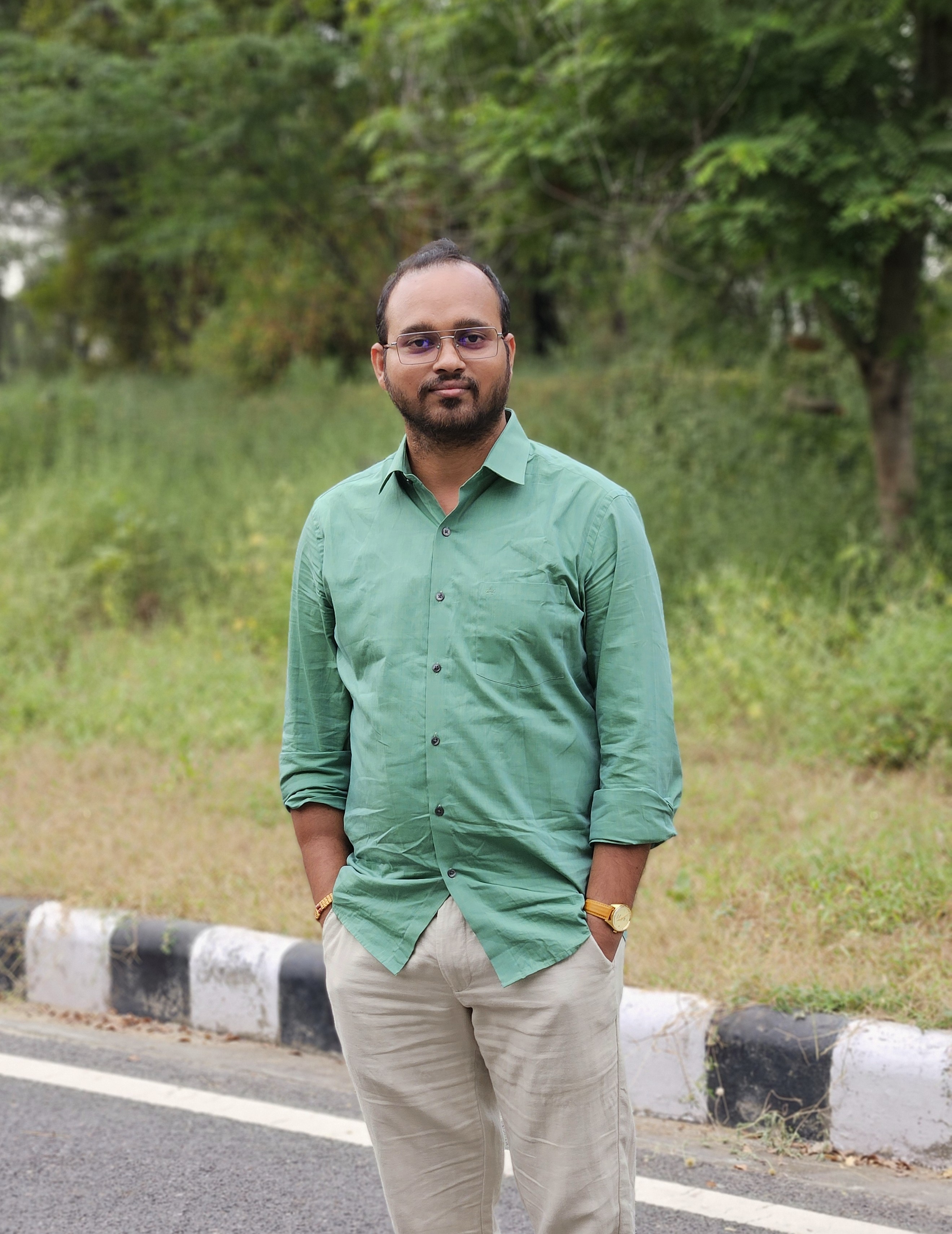
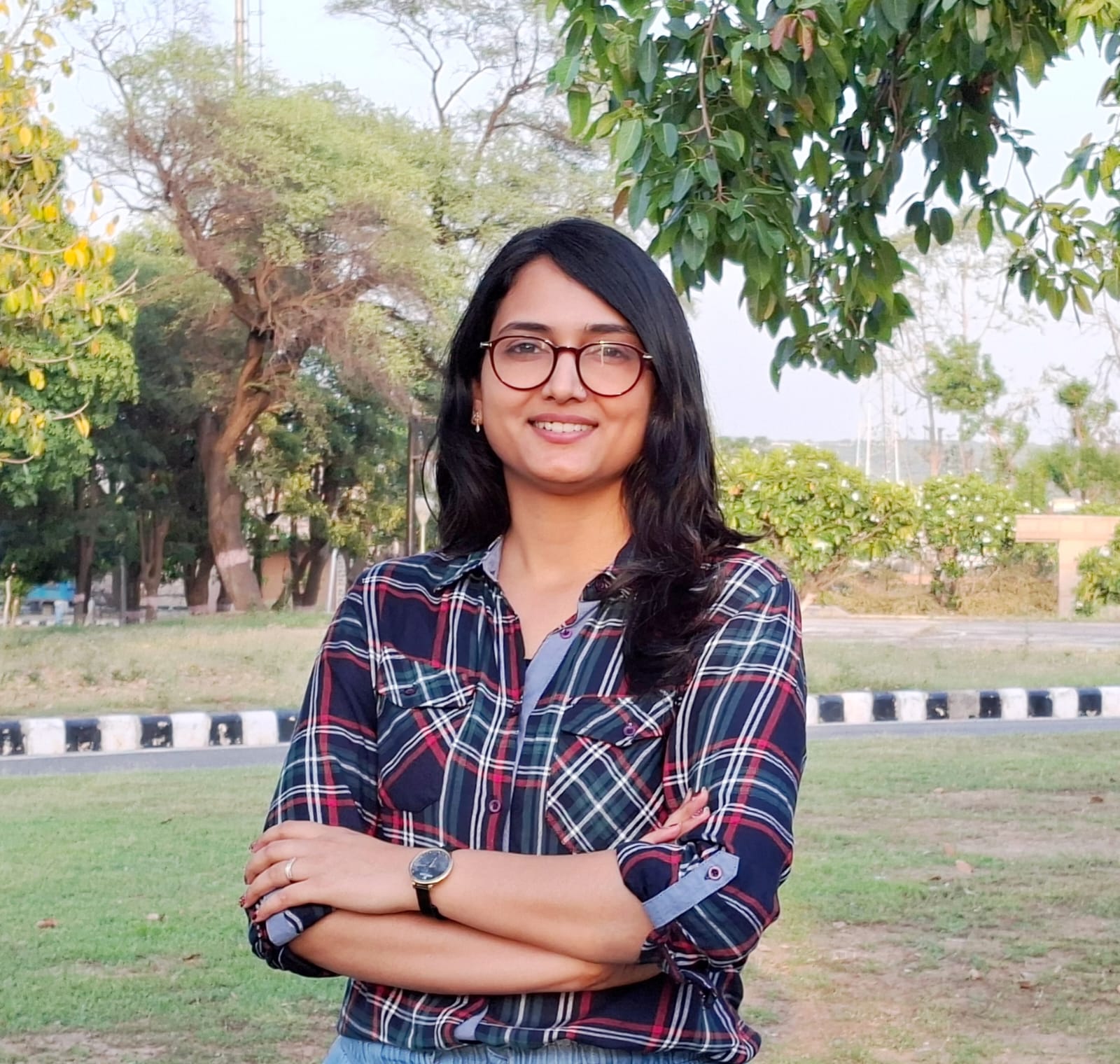
Dr. Sibaram Behera
Postdoctoral Fellow
Research Associate
PhD Neuroscience National Brain Research Center


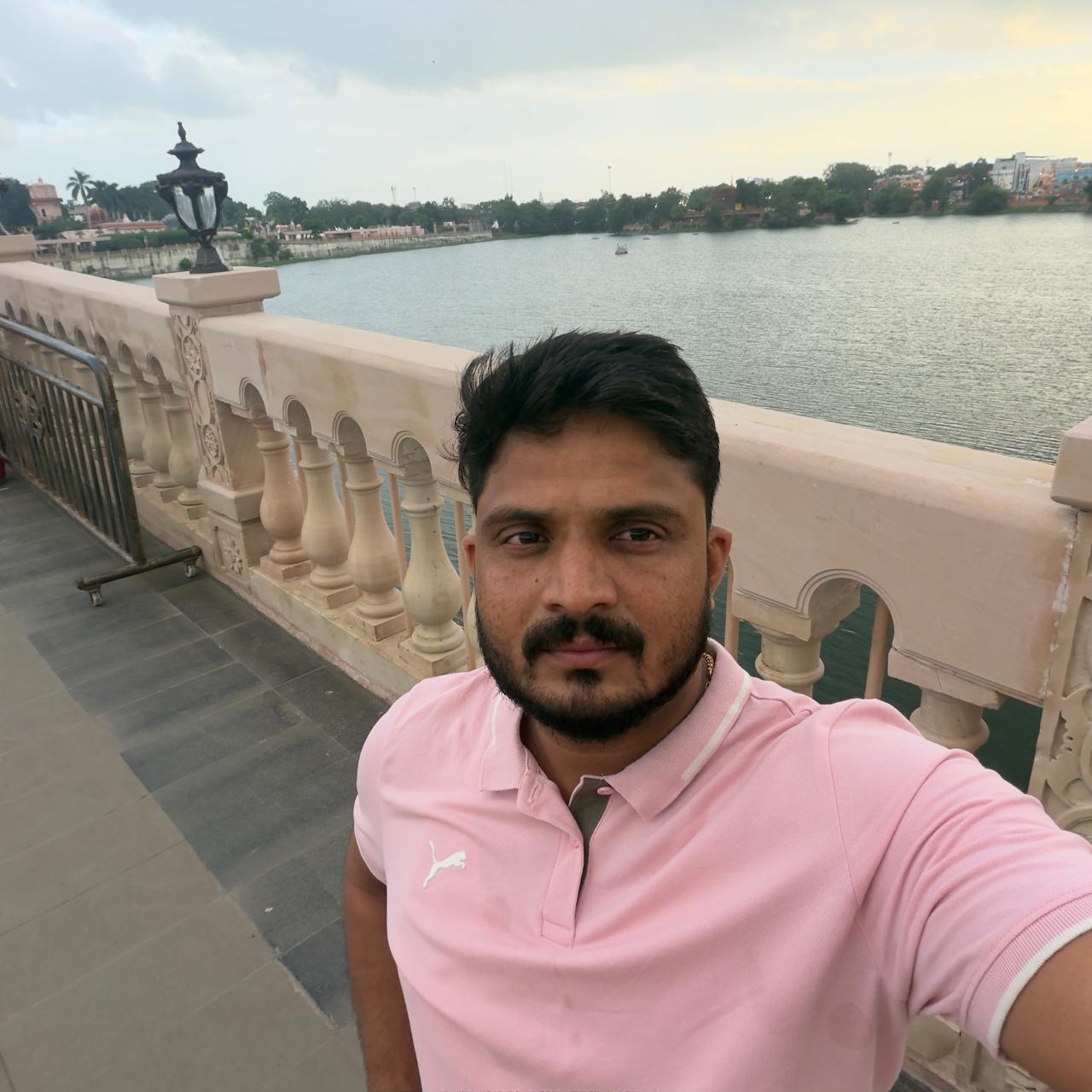
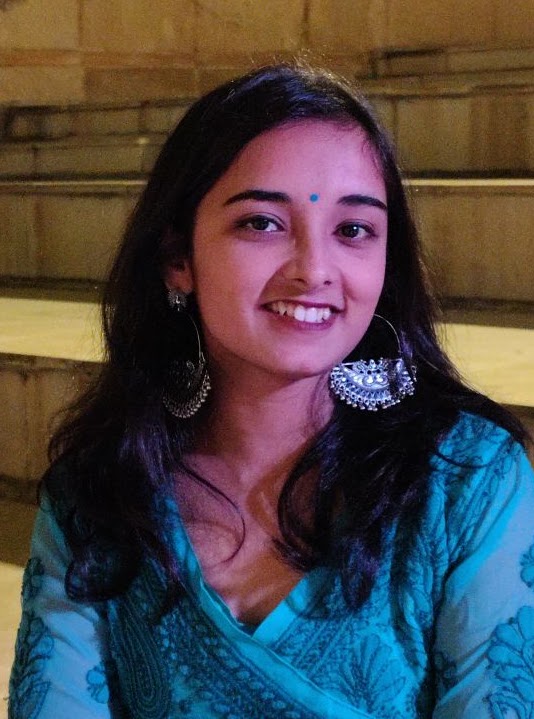
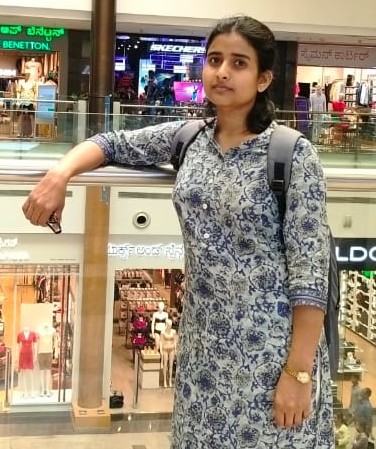
Pallavi Singh
Integrated Phd Student
Senior Research Fellow
M. Sc in Neuroscience, National Brain Research Centre, Manesar
Sep 2022: Lab organised 3rd India C. elegans meeting/ICM2022 in Kerala!
July 2022: Congratulations to the entire lab for Wellcome Trust-DBT Senior fellowship award!! Celebration is due!!
May 2022: Lab welcomes new project assistant student Mydhily Vasudevan
Mar 2022: Dendrite regeneration paper online in PLOS-Genetics… Long awaited news!
Jan 2022: Lab bids farewell to Atrayee for her future post-doc Job at Yale Med Centre
Dec 2021: Merry Christmas and Happy New year
Nov 2021: Congratulations Swagata for her video article in Jove !
Aug 2021: Debapriya Joins PhD program at Simon Fraser University, Canada
May 2021: Exciting News: Papers accepted in JCB, Development & eNeuro!!
Apr 2021: Smriti Joins PhD program in Technion, Israel!
Apr 2021: Swagata gave an invited talk at NEURO-FEM INDIA
Dec 2020: Lab welcomes new project assistant student Kavi Nila
Dec 2020: Lab celebrated Christmas!
Keerthana received scholarship and Phd position at the University of Queensland
Sept 2020: Congratulations Sandeep for joining as a Scientist at Mankind Pharma!! Swagata covered the “Molecular Mechanism of Neuronal connectivity meeting” at Cold Spring Harbor (Virtual)
May 2020: Lab received a Science & Engineering Research Board (SERB) grant on axon regenertion…Great news!!
Apr 2020: A report on M2T2-2019 meeting organized at NBRC is published in JCS. Thanks to Vaishnavi and Sivaram for covering it!
March 2020: Great News!! Congratulations to Devashish, Nitish and Keerthana for receiving Phd positions at Univ of Delaware, Penn-state Univ and Taiwan International Graduate Program (TIGP) respectively!!
Oct 2019: Lab organized M2T2-2019 meeting at NBRC
July 2019: Swagata receives ECF from Wellcome DBT India Alliance
June 2019: Atrayee covers “Central Nervous System Injury & Repair 2019 GRC” at Watervile Valley and International Worm meeting at UCLA
Feb 2019: Swagata receives INSPIRE Faculty award
Oct 2018: Lab welcomes new Project students Smriti and Devashish
Sep 2018: Lab covers Neuronal connectivity meeting at Cold Spring Harbor, NY, USA
June 2018: Lab welcomes new students Pallavi and Sunanada
May 2018: Congratulations to Swagata for her new paper in Scientific Report!
Apr 2018: Lab welcomes new post doc Swagata
Mar 2018: Anindya gets invited for Wellcome Cell & Dev Bio meeting at Warwick, UK
March, Aug 2018: Congratulations to Kasturi and Sreyashi for receiving PhD positions at The UMASS Med School and IICB-Kolkata respectively
NBRC is funded by the Department of Biotechnology (DBT)
DEPARTMENT OF BIOTECHNOLOGY MINISTRY OF SCIENCE & TECHNOLOGY , Government of India
Department of Biotechnology (DBT) is the major funding body of the government of India
Wellcome Trust DBT-India Alliance
DBT/Wellcome Trust India Alliance (India Alliance) is an independent, dynamic public charity that funds research in health and biomedical sciences in India.
SCIENCE & ENGINEERING RESEARCH BOARD (SERB)
A statutory body of the Department of Science & Technology, Government of India.
PhD and Integrated PhD applicant: Not available
Postdoctoral Fellow:
Lab is interested in candidates who want to pursue a post-doctoral career. Please send your resume and a cover letter describing your interest in our lab. Also arrange for two references who can comment on your scientific ability. Although we are open about your background, we are keen on having somebody with background in physics, mathematics and computer science. A PhD in either of these fields will be an added advantage. I will strongly support/encourage you for your own fellowships. One post-doc will be supported by WellcomeTrust-DBT fund with travel support for meetings and conferences. NBRC also has intramural fund for post-doctoral candidates.
Project Assistant:
Candidates with MSc in either of Physics, Chemistry or Biology can apply.
NBRC accepts summer intern through Indian Academy of Science. Please apply directly to IAS and indicate your lab choice.

Dr. Prerna Srivastava
Project Employee
Project Assistant (2014 - 2020)
Post Doctoral Fellow at University of Victoria, British Columbia Canada


Debapriya Roy
Msc Student
M. Sc Student (2019 - 2021)
Ph D student in Simon Fraser University, Canada

Devashish Arvind Pande
Project Employee
Project Assistant (2018 - 2020)
PhD student, University of Delware, USA
Dr. Atrayee Basu
Postdoctoral Fellow
Senior Research Fellow (2014 - 2021)
Post Doctoral Fellow at Yale School of Medicine with Stephen Strittmatter, USA

Dr. Dharmendra Puri
Postdoctoral Fellow
Senior Research Fellow (2015 - 2022)
Post Doctoral Fellow at Boston Childrens Hospital with Elizabeth Engle, USA

Dr. Sandeep Kumar
Others
SERB NPDF (2017 - 2020)
Scientist, Mankind pharma, Gurugram, India

Dyutika Banerjee
Msc Student
NBRC Masters Student (2021 - 2022)
PhD Student at Universitat Gottingen , Germany

Kavinila S
Project Employee
Project Assistant (2021 - 2023)
Research Intern at Veena Prahlad lab Rosewell Park Comprehensive Cancer Centre, USA

Keerthana. P
Project Employee
Project Assistant (2017 - 2020)
PhD student, Queensland University, Australia


Pankajam Thyagarajan
Project Employee
Project Assistant (2014 - 2017)
Ph D student, Penn State Huck Institute of the Life Sciences, Pennsylvania, USA

Smriti Bharadwaj
Project Employee
Project Assistant (2018 - 2021)
Ph D student in Technion, Israel

Sreyasi Bhattacharjee
Msc Student
NBRC Masters Student (2022 - 2023)
PhD Student, Indian Institute of Technology Bombay, India

Sruthy Ravivarma
Project Employee
Project Assistant (2020 - 2023)
PhD Student at University of Toronto, Canada

Supraja B.
Project Employee
Project Assistant (2023 - 2024)
PhD Student at National Center for Biological Sciences, Bengaluru India

Titash Mukherjee
Project Employee
Project Assistant (2016 - 2018)
Entrepreneurship and Technology Outreach Professional in Deep Science, Bengaluru India