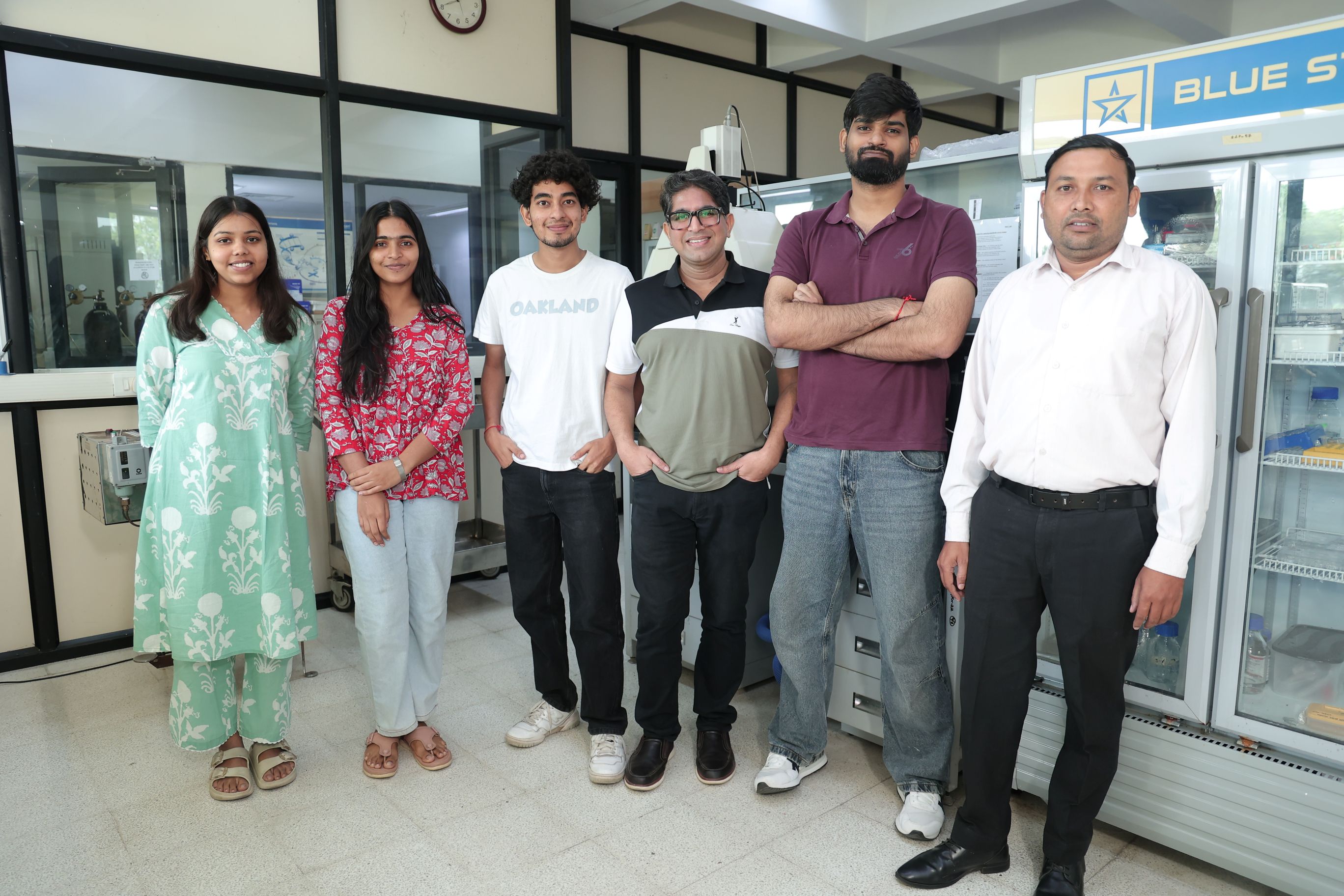
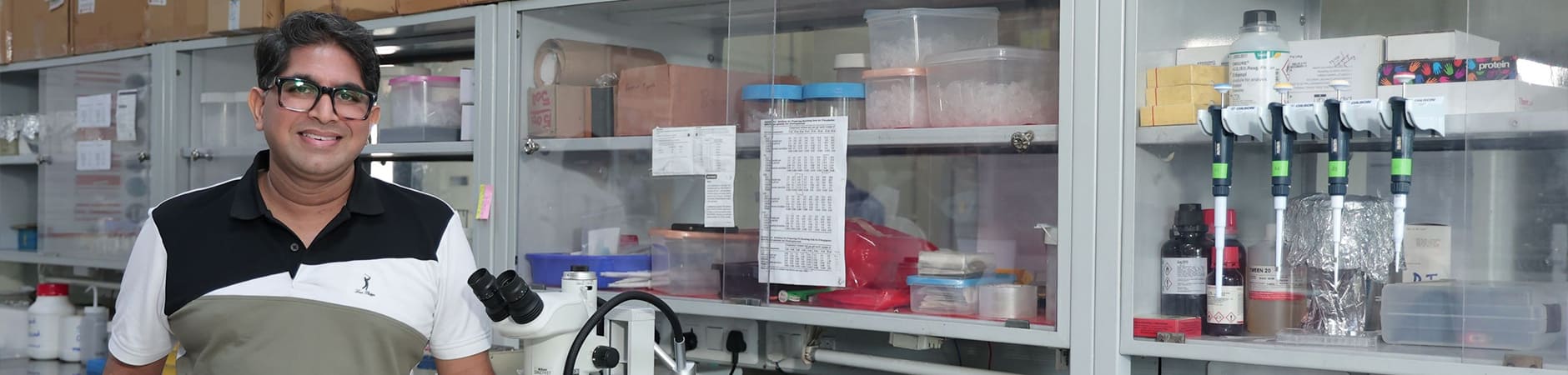
Dr. Dhananjay Huilgol
Scientist - IV / Associate Professor



Research
Understanding the developmental basis of cell type diversification and circuit assembly with insights into forebrain function, evolution and neurodevelopmental conditions.
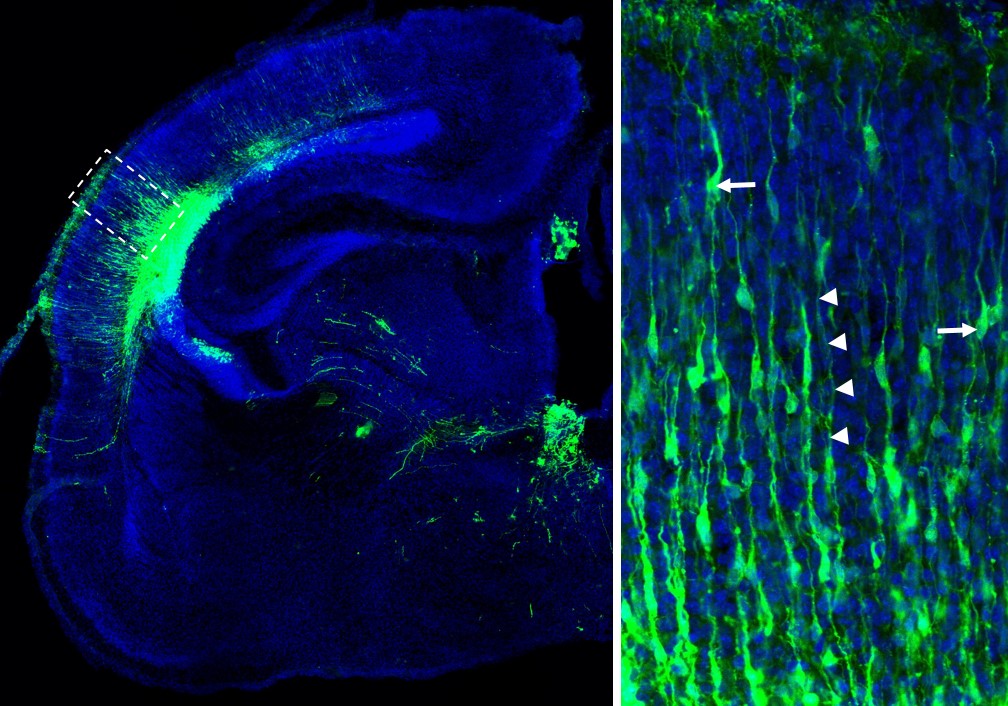
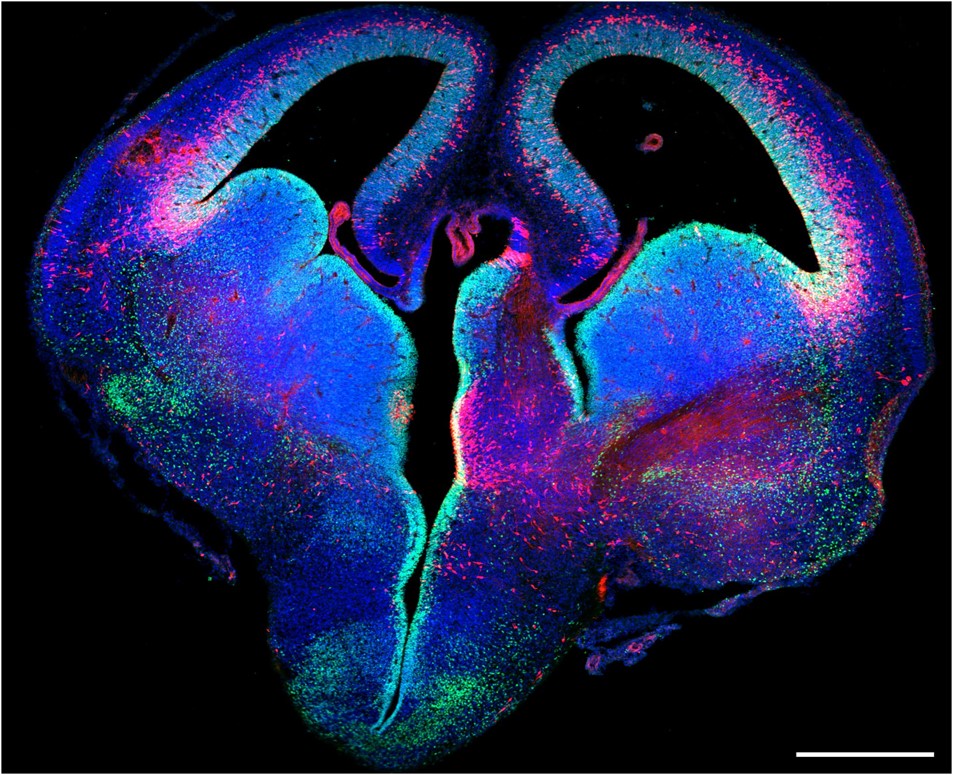
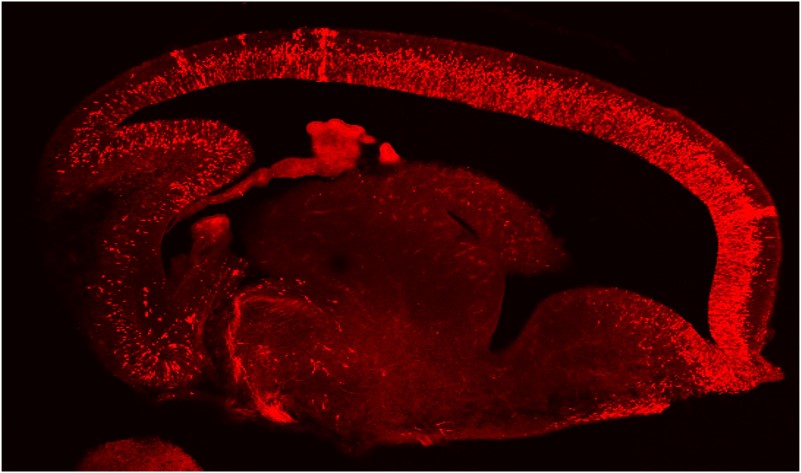
How the nervous system functions necessitates an understanding of the assembly, organization and function of its constituent cell types. We can achieve this through studying the development of cell type identities from progenitors. Gene regulatory programs in specific progenitor populations are activated through a series of proliferation and differentiation events generating diverse cell types. Therefore, the central focus of my lab is what cellular and gene regulatory mechanisms drive the differentiation of diverse neuron types from progenitor pools to build a functional nervous system, particularly, the cerebral cortex, the largest, most complex and evolutionarily recent structure of the brain. Efforts are underway to compare mechanisms that drive cortical development in mouse and humans. This will provide clues to understanding both human development and evolution of the cortical circuit assembly across vertebrates. We will divide our work into two main projects
Transcription factor network in progenitors and cortical projection neuron fates
- Identify the relationship between transcription factor-defined cortical progenitor pools
- Determine fate decisions in generating projection target-defined neuron types
- Discover gene regulatory programs controlling progenitor heterogeneity
Environmental factors in embryonic brain development
- Establish models of maternal immune activation
- Identify effects of placental factors on embryonic brain development
- Delineate effects of maternal infection on progenitor populations and circuit development
- Exploring effects of maternal drug intake on embryonic brain
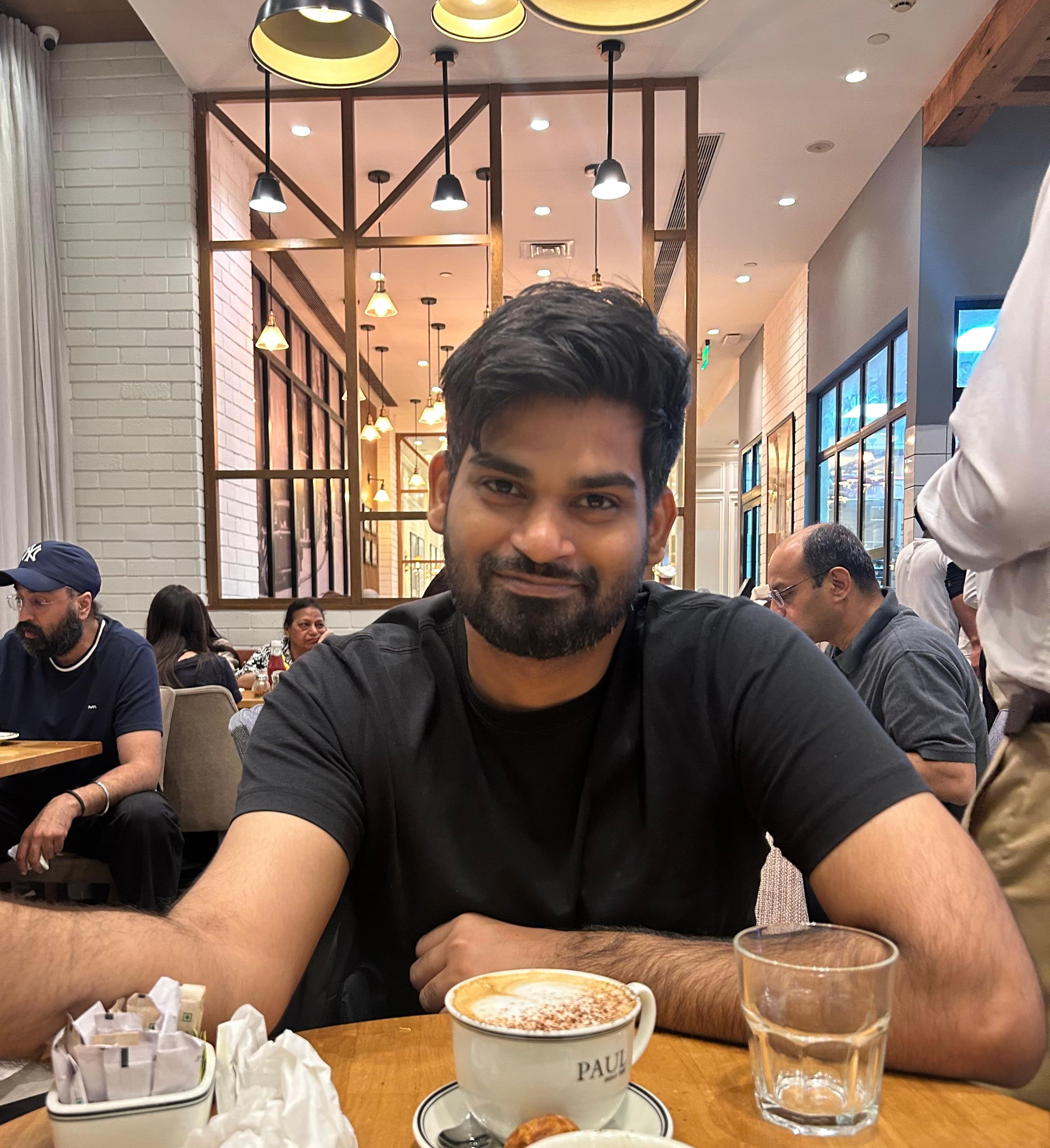
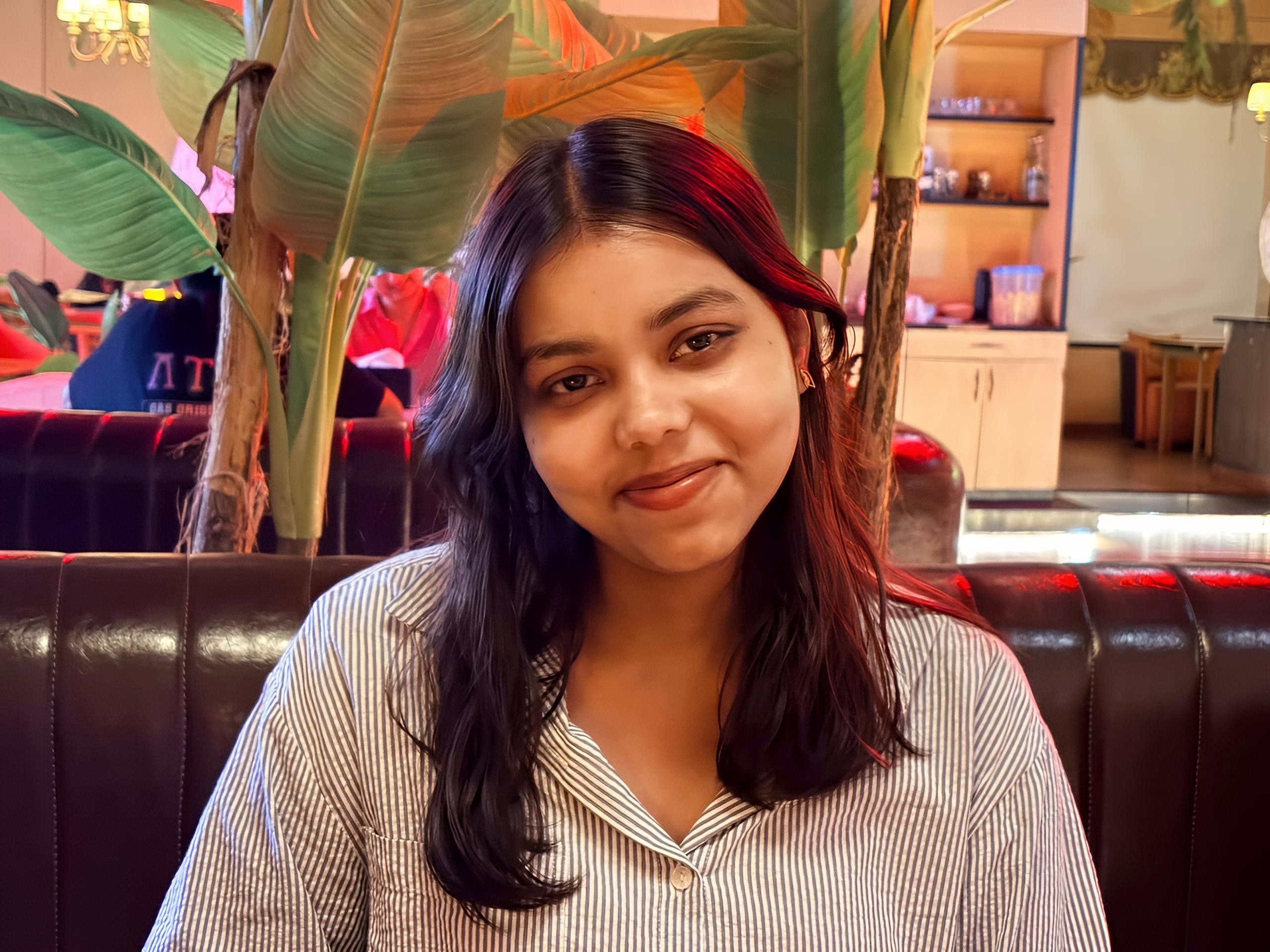
Sumit Singh
Phd Student
PhD
M.Sc. in Biotechnology from Rajiv Gandhi Centre for Biotechnology (RGCB), Thiruvananthapuram, Kerala. I study how cortical progenitor cells generate distinct neuronal populations during brain development, and how environmental factors can perturb these developmental programs. Beyond the lab, I’m a curious person who enjoys learning new things.
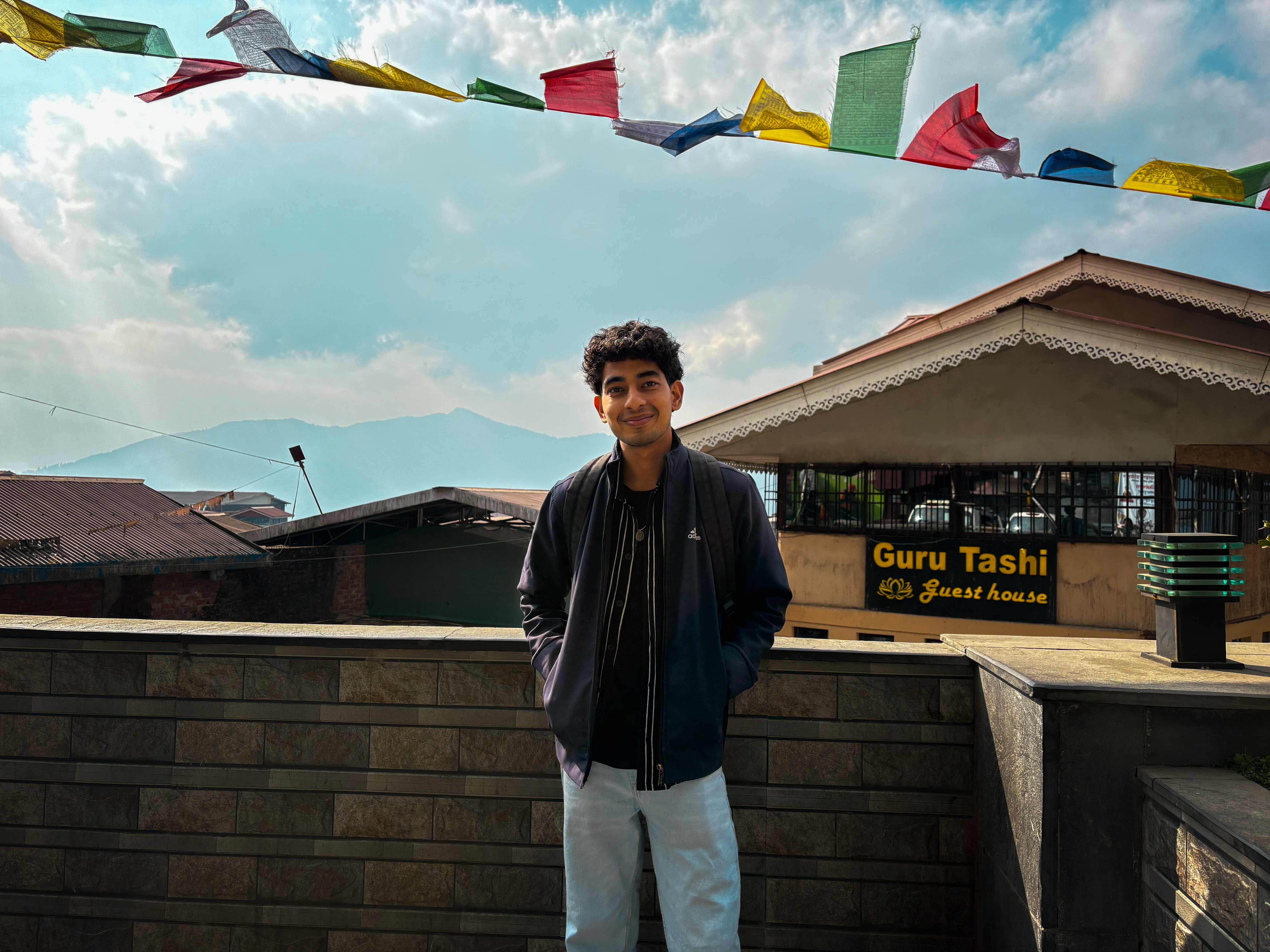
Sakshi Kushwaha
Phd Student
PhD
M.Sc. in Zoology from Central University of Punjab, Bathinda, Punjab. Currently interested in brain development, neurogenesis, and falling down the endless rabbit hole of “wait, but why does this gene do that?” Outside the lab, I like good conversations and being around people with oddly specific hyperfixations.
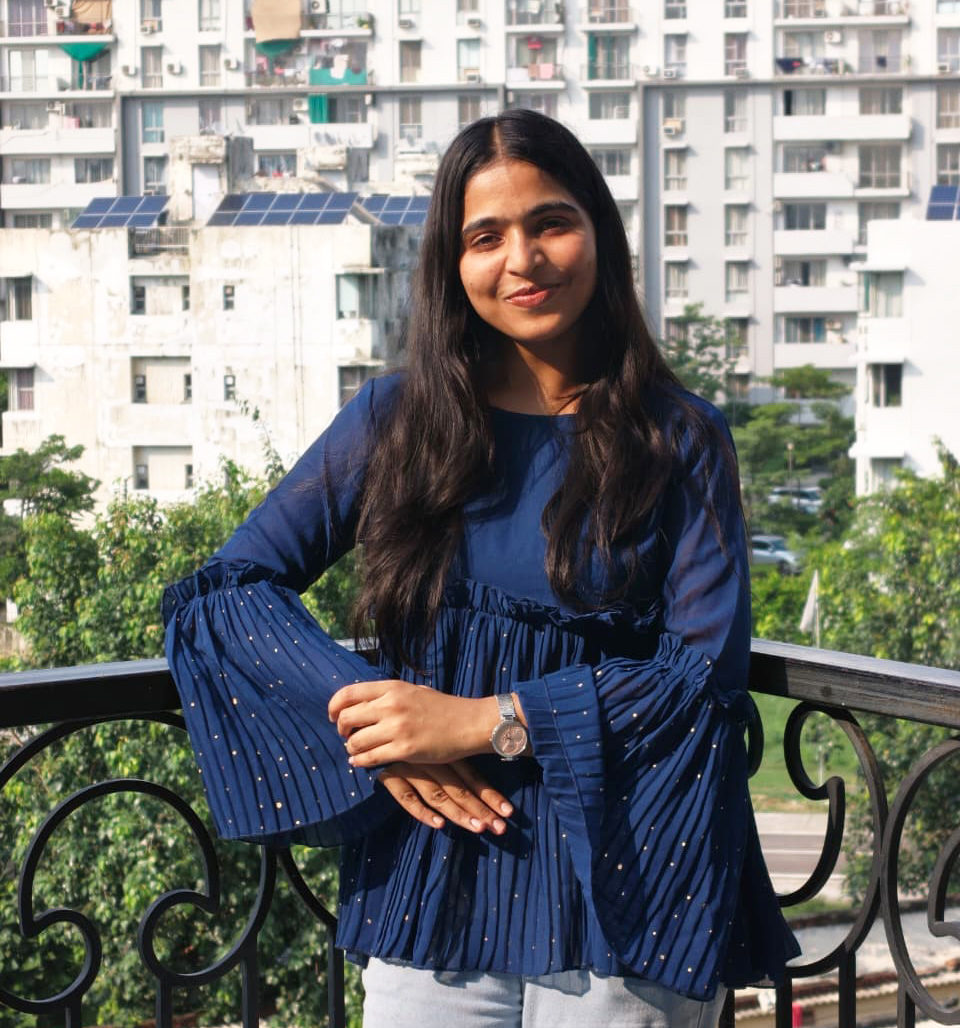
Ajay
Phd Student
PhD
M.Sc. in Biotechnology from Kumaon University, Nainital, Uttarakhand. My research focuses on molecular mechanisms that shape the embryonic brain development and contributing to neurodevelopmental disorders. Beyond research, I enjoy travelling, discovering new places and cultures, and learning new skills. I am naturally curious and enjoy embracing new experiences, exploring different ideas, and broadening my perspective both within and beyond science.
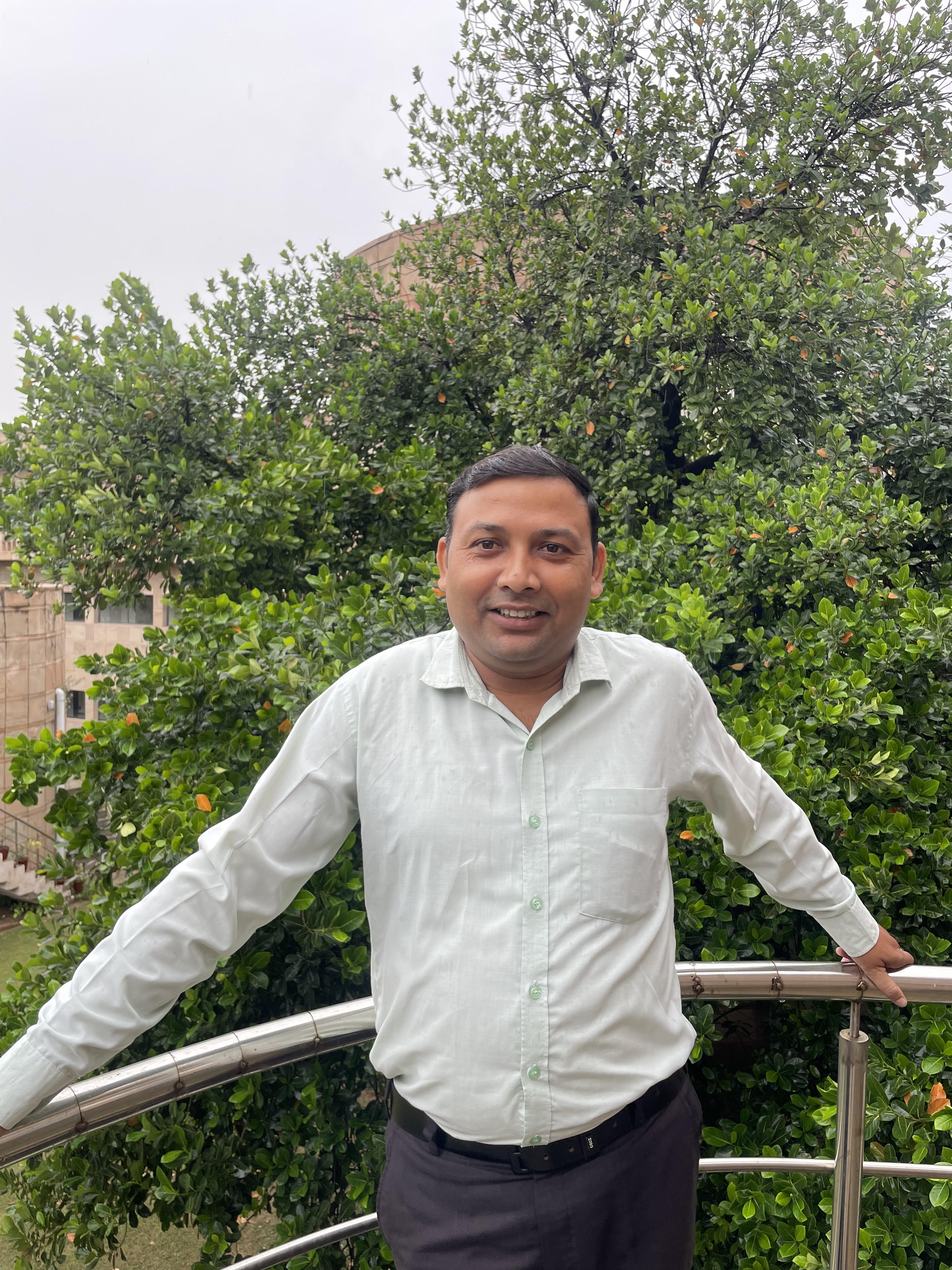
Merlin Elizabeth Sunny
Msc Student
MSc Student
B.Tech in Biotechnology from Kerala Agricultural University, Thriuvananthapuram, Kerala. I am interested in understanding how the developing brain responds to environmental influences, with a particular interest in maternal immune activation, cortical development, and neuronal differentiation. When I am not in the lab, you will probably find me playing badminton, or looking for cats to befriend.
- Dhananjay has been invited as an instructor at the IBRO-APRC school on Brain-Immune interactions, Centre for Neuroscience, Cochin University of Science and Technology, Kerala, India (September 2026) (https://cnsimmuneibro2026.cusat.ac.in/)
- Dhananjay delivered a talk and Sumit presented a poster at the 3rd BRICS Neuroscience Symposium, IIT Madras, Chennai (June 2026) (https://iitm.humanbrain.in/brics2026.html)
- Dhananjay was invited for a plenary lecture at a national level undergraduate symposium (NCURB), IISER Tirupati (December 2025) (https://www.ncurb.com/)
- Sumit was selected for “Building Brains: Workshop on Neurodevelopment Research & Techniques”, inStem, Bangalore (November 2025) (https://instem.res.in/events/building-brains/)
- Dhananjay gave a symposium talk and Sumit presented a poster at the “Indian Academy of Neurosciences annual meeting (IAN 2025)” organized by BRIC-RGCB, Trivandrum (October 2025) (http://neuroscienceacademy.org.in/pastconferences.php)
- Dhananjay got a first author study published in Developmental Cell in July 2025 (https://www.cell.com/developmental-cell/abstract/S1534-5807(25)00114-5?_returnURL=https%3A%2F%2Flinkinghub.elsevier.com%2Fretrieve%2Fpii%2FS1534580725001145%3Fshowall%3Dtrue)
2026 - 2028: Emerging Frontiers Grant, Department of Biotechnology, Govt. of India, India
2026 - 2031: i3c BRIC-RCB Ph.D. Programme in Biosciences, India.
2018 - 2020: National Alliance for Research in Schizophrenia and Depression
(NARSAD) Young Investigator grant, Brain and Behavior Research Foundation (BBRF), USA
2014 - 2017: HFSP Long term Postdoctoral fellowship, Human Frontiers Science Programme Organization (HFSPO), France
PhD applicants: Students with a junior research fellowship (CSIR-NET, UGC-NET, DBT-JRF, ICMR-JRF) will be eligible for BRIC-NBRC interviews (2 rounds) for the NBRC PhD programme. Once selected, you may indicate your lab choice. BRIC-NBRC has two intakes per academic year, one in June-July and the other in December-January.
Postdoctoral Fellows: Please send your CV and a cover letter describing your PhD thesis work and your interest in our lab. We will ask for two references who can comment on your scientific ability. We are happy to take candidates from a wide background, however, we are keen on having somebody with a background in in vitro systems, computational neuroscience/biology work. We will strongly encourage and support you for your own fellowships once you join our group. One post-doc will be supported by DBT Emerging Frontiers fund (Research Associate-I) with travel support for meetings and conferences.
Project Associate: Candidates with MSc in either Biology, Computational biology, Bioinformatics, Biotechnology, Chemistry and allied sciences can apply. One project associate will be supported by DBT Emerging Frontiers fund (Project Associate-I). We strongly encourage applicants who can spend minimum of 1 year with us.
Summer interns: NBRC accepts summer intern through Indian Academy of Sciences (IAS) and Indian Nationa Science Academy (INSA-NASI). Please apply directly to IAS/INSA-NASI and indicate your lab choice.
No Alumni found.