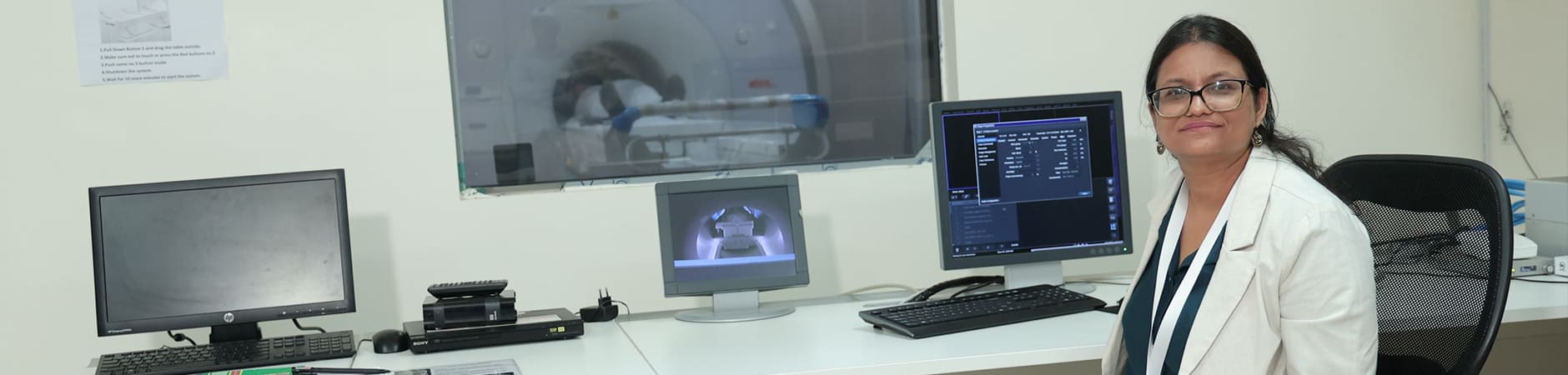
Dr. Khushbu Agarwal
Scientist III / Assistant Professor


Human Neuroimaging and Olfaction Laboratory
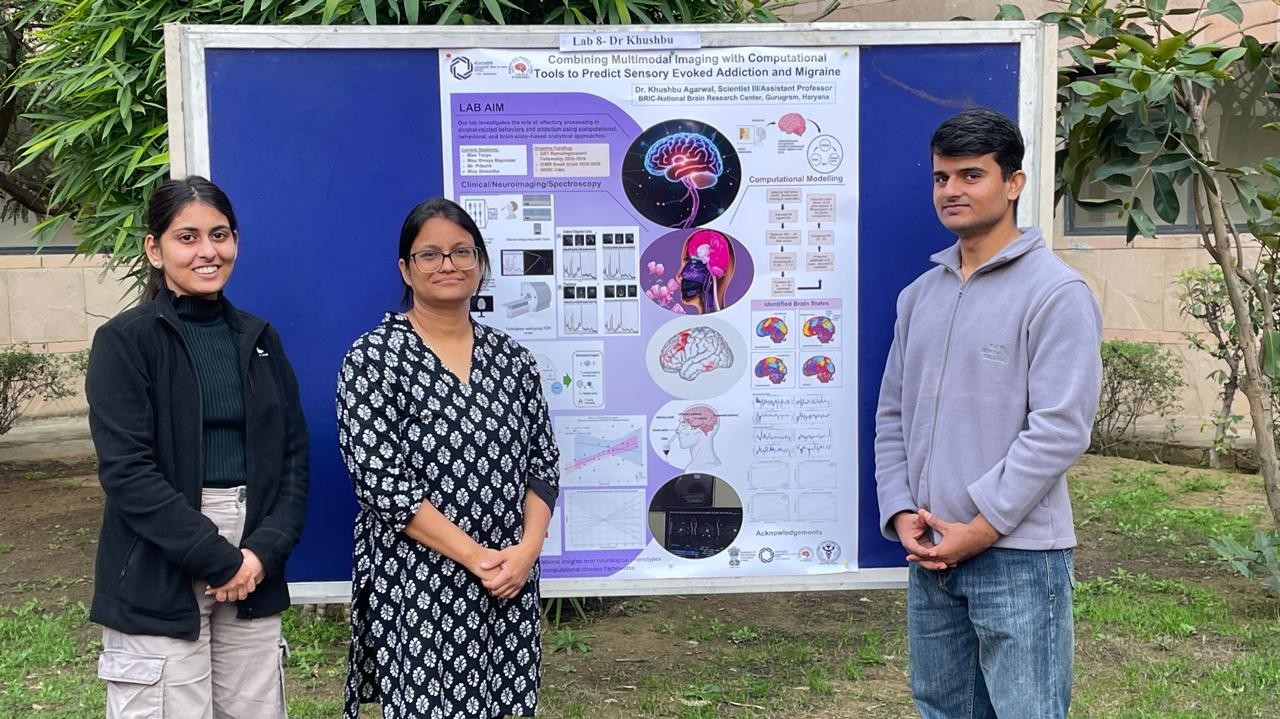
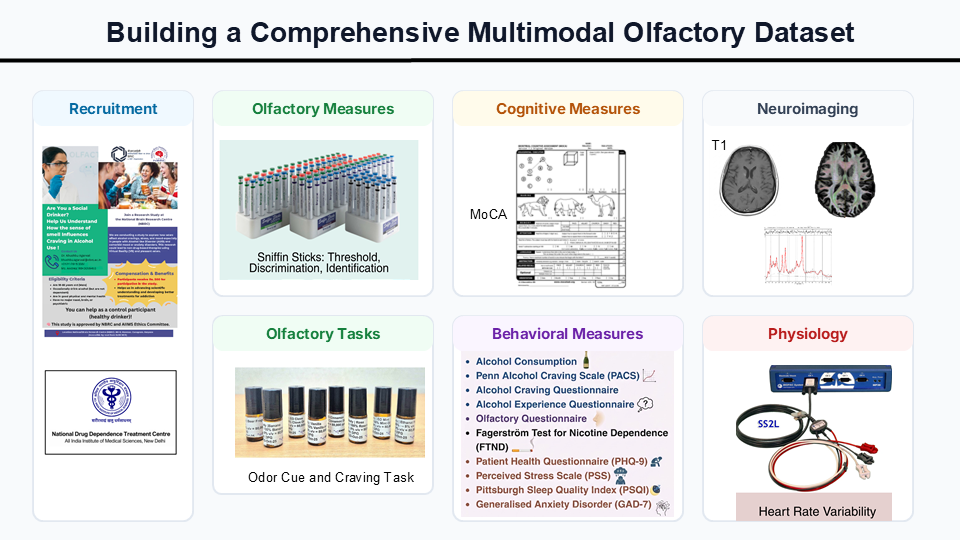
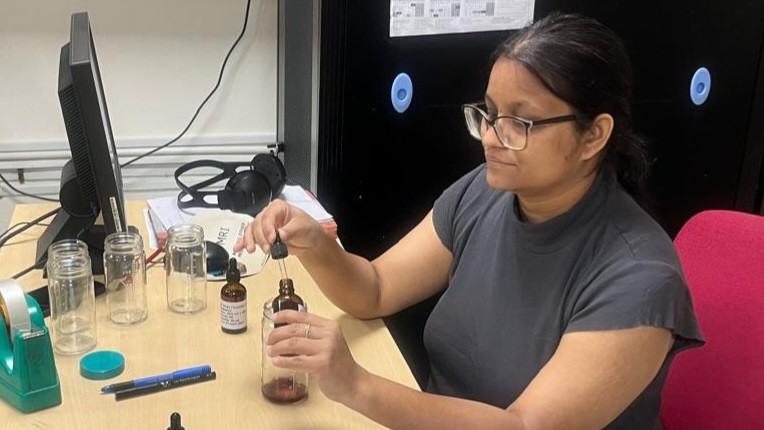
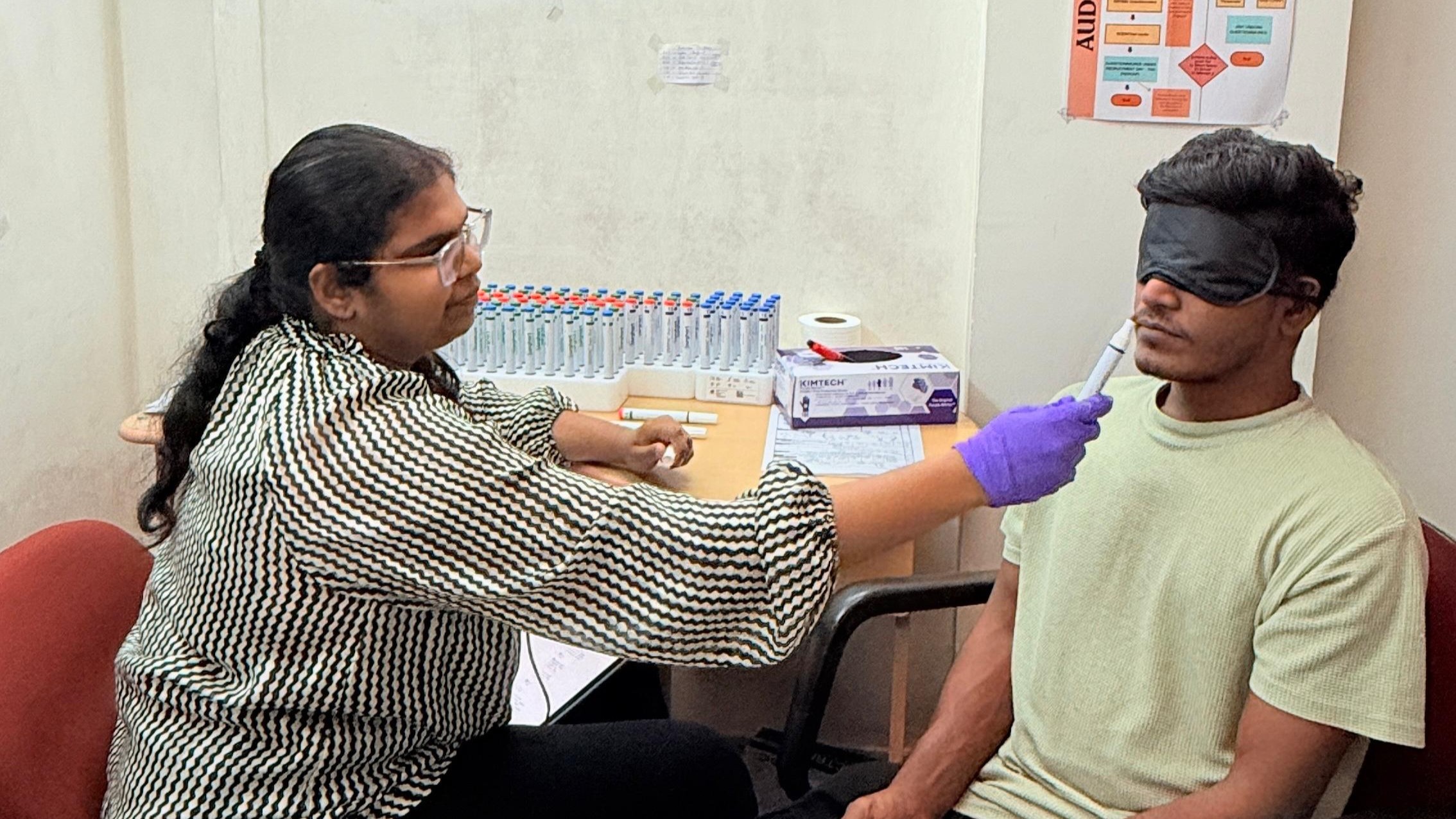
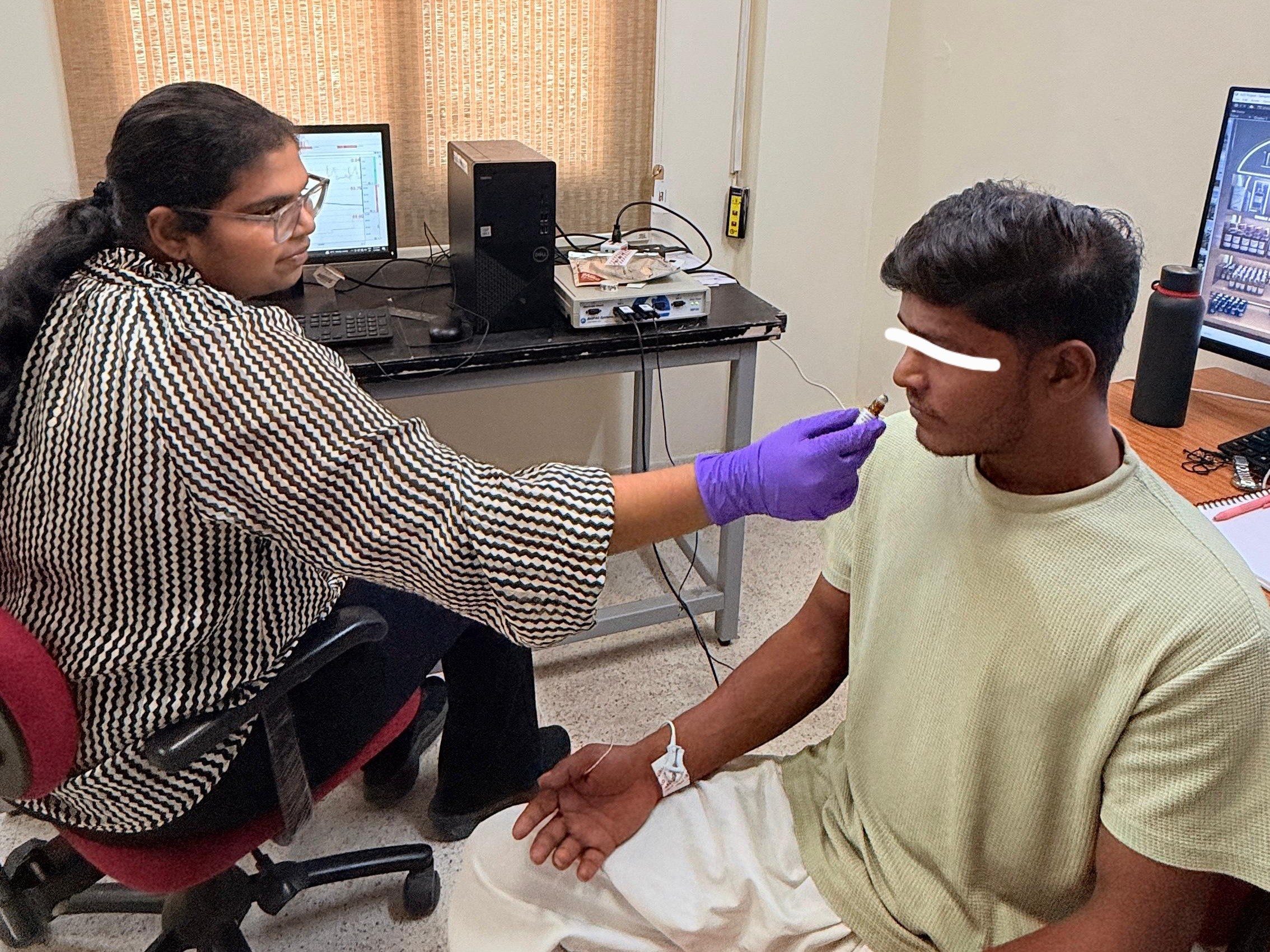
The Human Neuroimaging and Olfaction Laboratory investigates how sensory systems, particularly smell and taste, interact with neural circuits involved in reward, craving, decision-making, and addiction. The laboratory combines neuroimaging, behavioral neuroscience, computational approaches, and chemosensory assessments to understand the neural mechanisms underlying alcohol use disorder and related conditions. Current research focuses on identifying neurobiological markers of addiction risk, developing odor-based interventions, and exploring sensory-driven therapeutic approaches for improving mental health and substance use outcomes.
Principal Investigator
Khushbu Agarwal
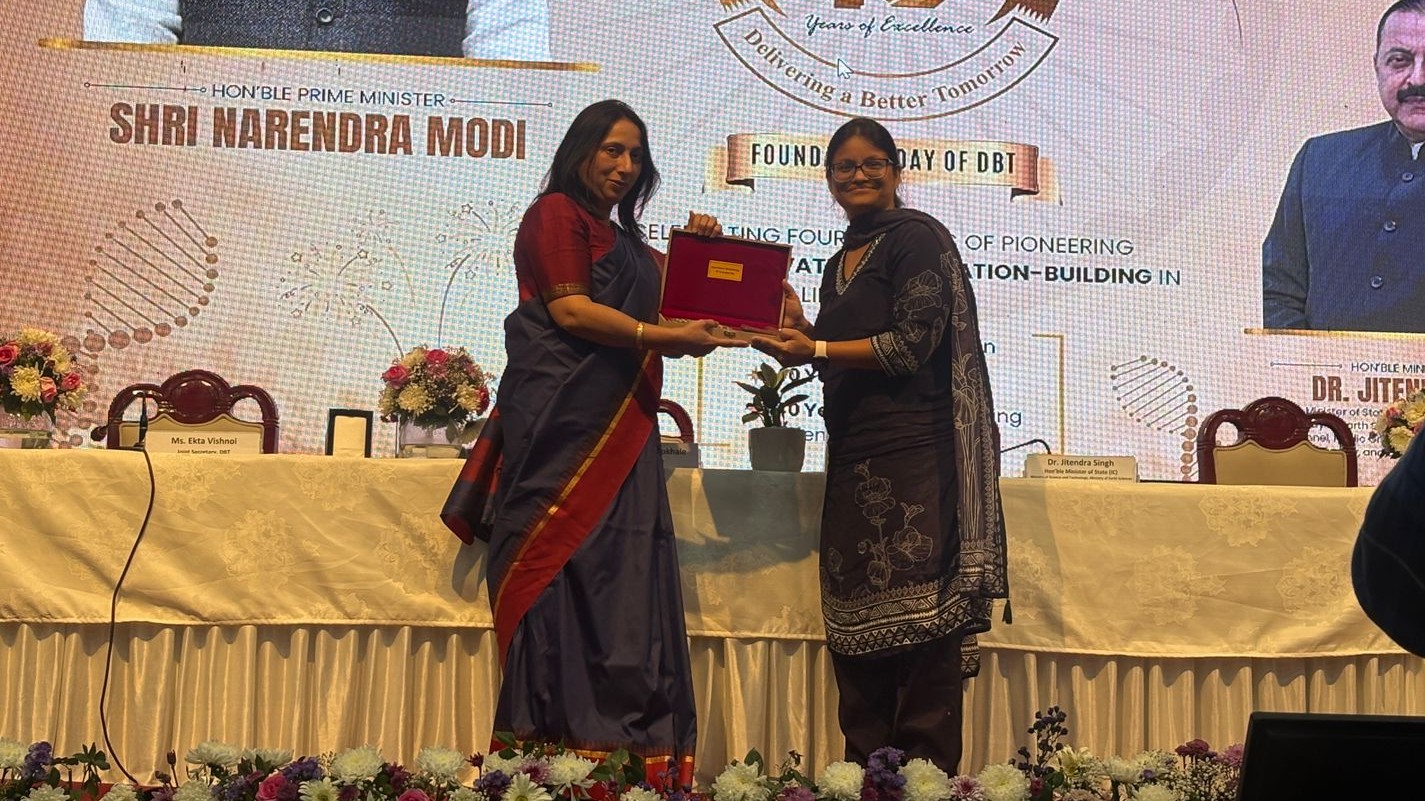
Dr. Khushbu Agarwal received her PhD in Magnetic Resonance Imaging and Spectroscopy from AIIMS, New Delhi, and completed postdoctoral training at NIAAA, NIH, USA. Her research integrates neuroimaging, olfaction, taste perception, addiction neuroscience, and computational modeling to investigate how sensory cues influence reward processing and craving. She has published extensively in leading journals and is the recipient of several prestigious awards including the IBROO Rising Star Award in 2026, NIH K99/R00 Pathway to Independence Award.
Research
Chemosensation, such as smell and taste, are closely linked to reward, memory, emotion, decision making and motivational behaviour. Odors can acquire strong personal and clinical significance: an alcohol-associated odor may evoke craving, while an otherwise harmless odor may produce discomfort or contribute to migraine symptoms. Chemosensation, such as olfaction, therefore provides a valuable window into brain-behaviour relationships and neuropsychiatric disorders. These conditions alter how olfactory information is processed, while odor cues in turn, influence clinical symptoms and shape brain and behaviour.
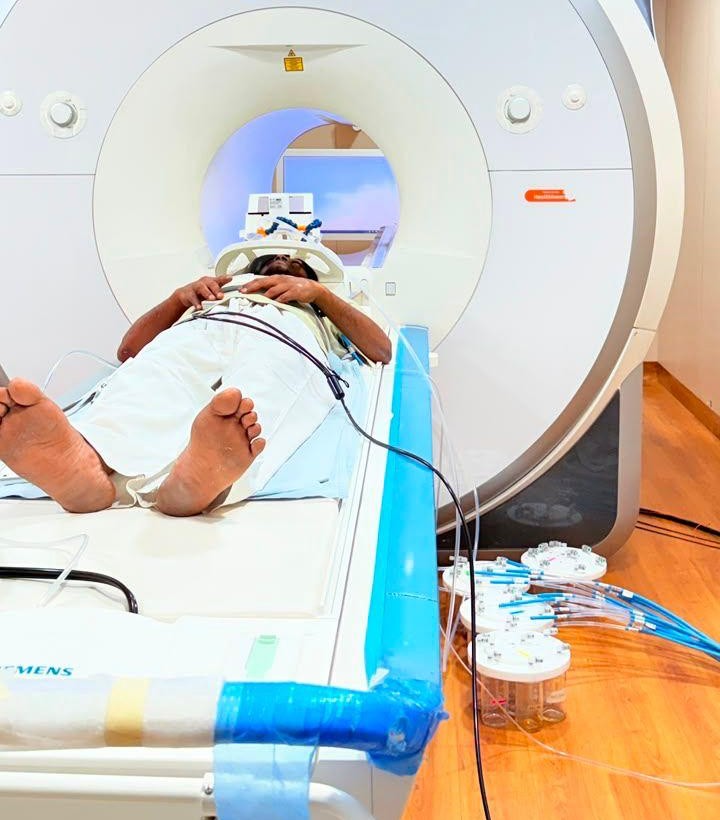
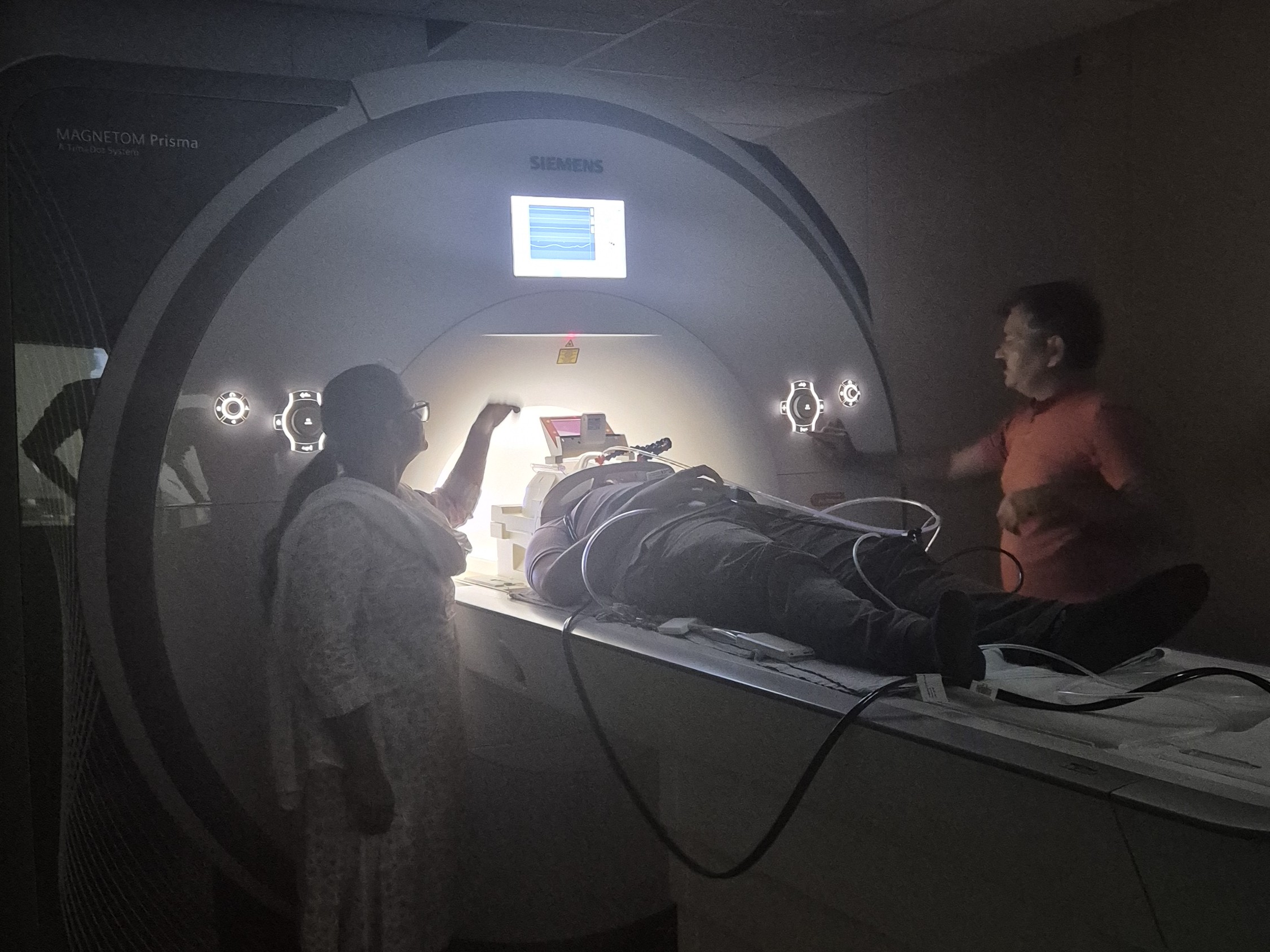
My lab examines this relationship across olfaction, brain network organisation and dynamics, and behaviour. Our aim is to understand the mechanisms underlying neuropsychiatric conditions and to develop sensory-based interventions. We combine standardised olfactory tests and clinical and behavioural assessments with multimodal neuroimaging, physiological and transcriptomics measures and computational modelling. We use advanced computational and statistical techniques to integrate information across these levels. The goal is to develop a culturally relevant olfactory testing device for the Indian population and olfactory based interventions for mental health and deaddiction.
Currently, my lab at NBRC includes six interconnected research areas:- Olfactory function, reward and alcohol use
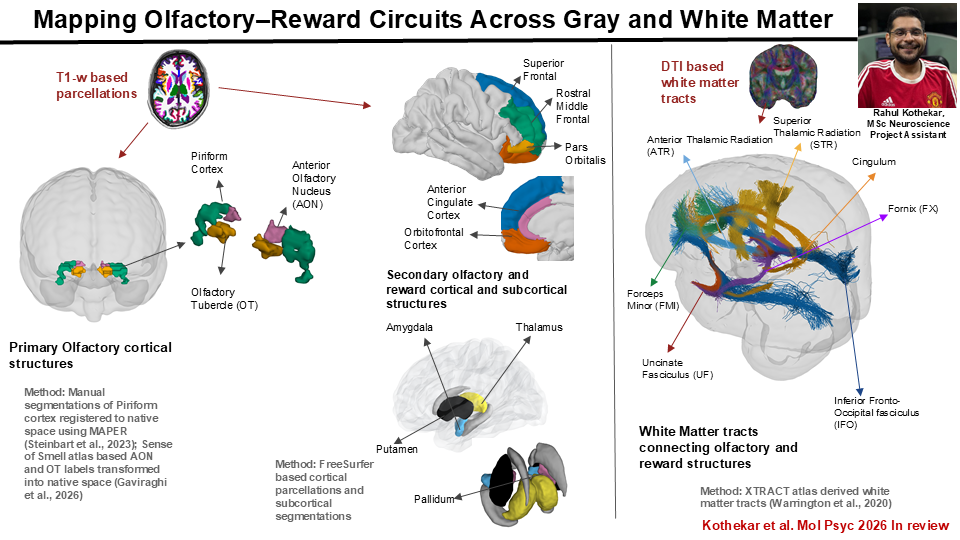
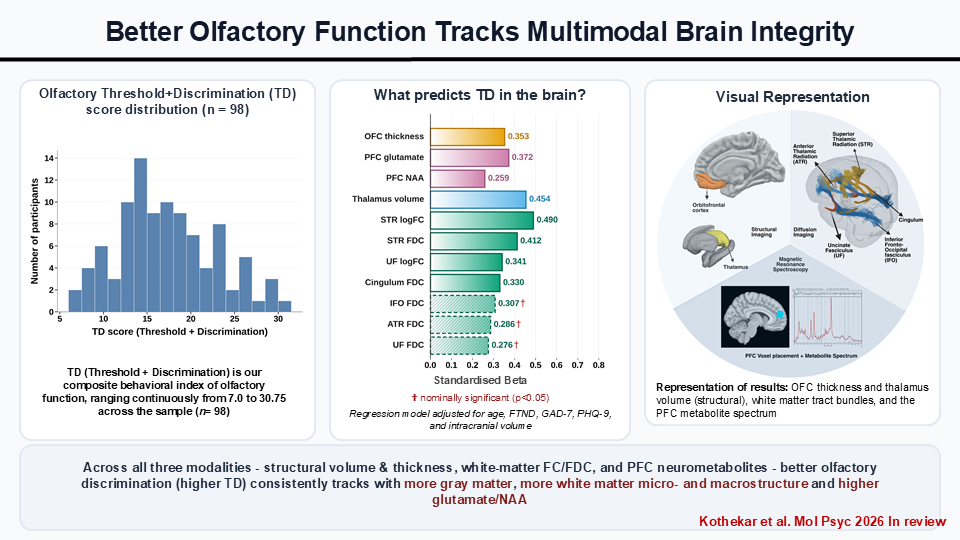
We investigate how smell differs between individuals with and without Alcohol Use Disorder (AUD), and how these differences relate to alcohol consumption, craving, cognition and behavioural measures. We are particularly interested in how alcohol-related odors acquire reward value and influence reward circuit, craving and drinking behaviour. - Multimodal mechanisms and biomarkers of addiction
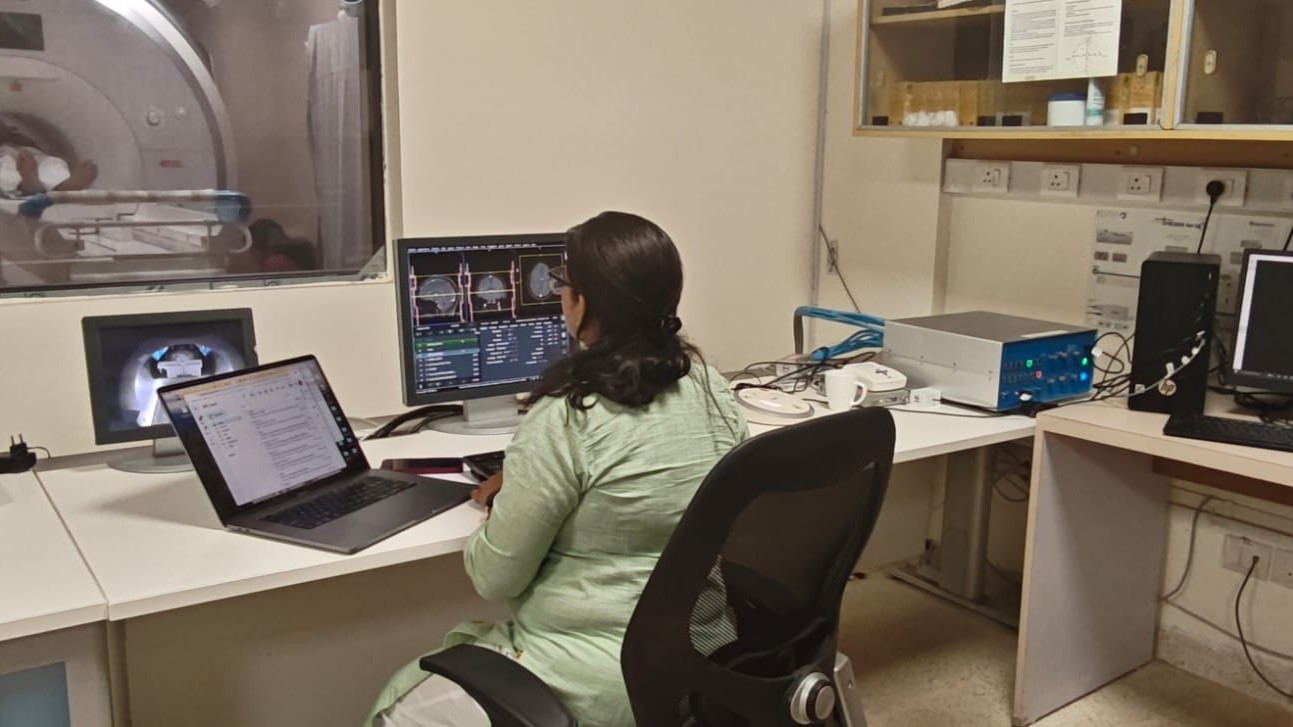
We examine how alcohol use is associated with olfactory and reward-related brain structure and white-matter pathways, as well as functional connectivity. Using structural MRI, diffusion MRI, resting-state MRI, visual and olfactory task based functional MRI and proton magnetic resonance spectroscopy, we characterize differences - in grey-matter morphology, white-matter microstructure, functional network organization, brain dynamics and neurometabolism. We also aim to integrate nasal epithelial cellular and transcriptomic profiling to investigate chemosensory alterations and individual vulnerability in Alcohol Use Disorder. - Olfactory and trigeminal processing in migraine
Our migraine research investigates why odors cause discomfort or provoke migraine-related symptoms in individuals. We aim to distinguish olfactory processing from those of the trigeminal system, which detects chemically irritating stimuli and interacts with pain-related pathways. We compare these mechanisms across individuals with migraine with aura, migraine without aura and healthy controls. - Brain dynamics and sensory-based interventions
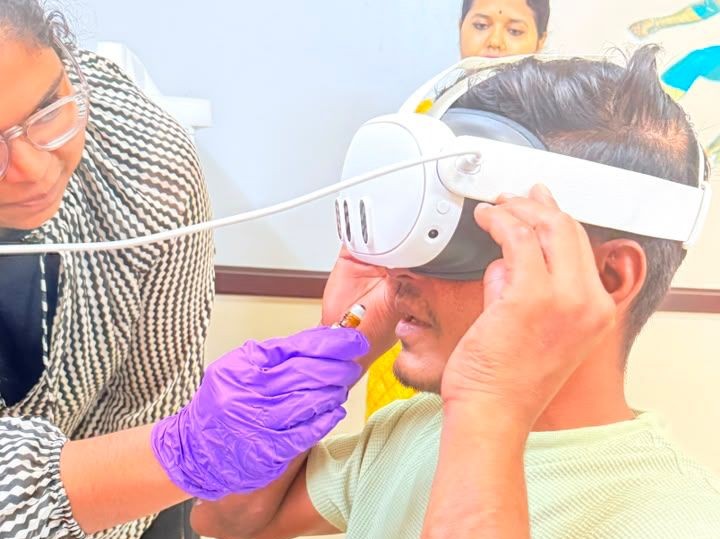
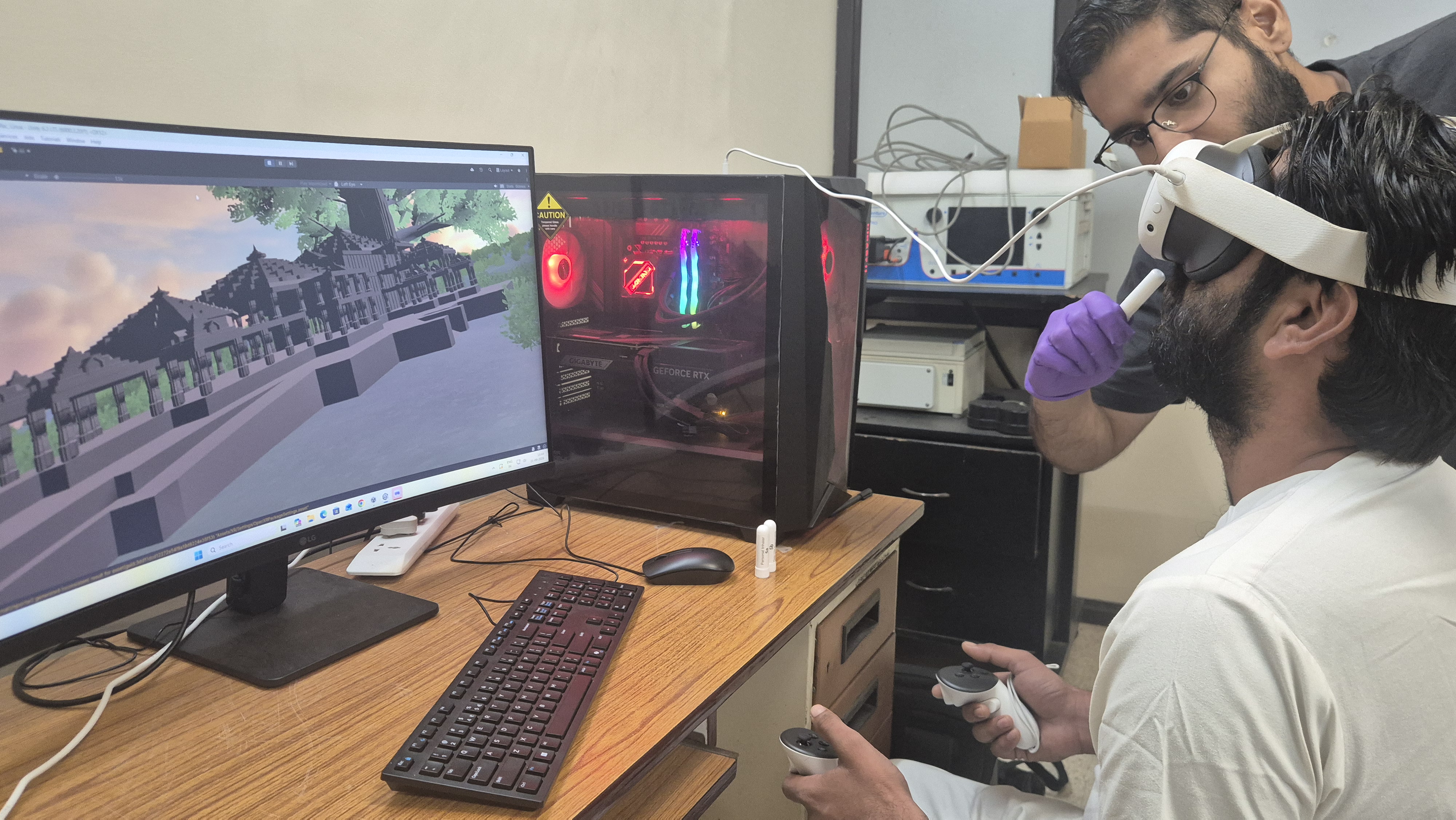
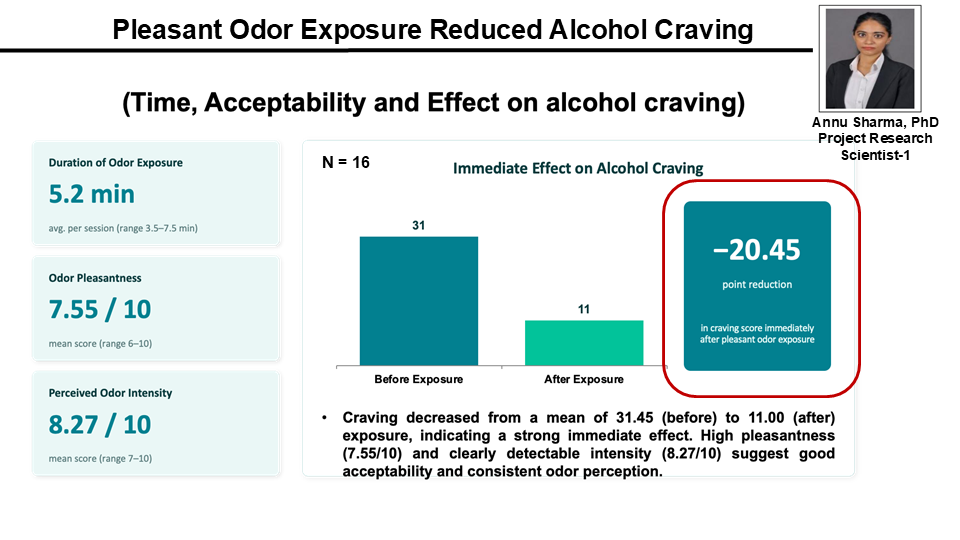
We also study whether exposure to competing pleasant odors can reduce alcohol craving and cue reactivity. We are extending this approach by combining pleasant odor exposure therapy with immersive virtual reality (VR) to test whether a multisensory therapeutic environment strengthens these effects. Structural and functional MRI acquired before and after the intervention is analysed using Network Control Theory to examine changes in the brain’s ability to enter or exit craving and cue-reactive states due to therapy intervention. This approach will reveal intervention-related changes in brain dynamics that self-report measures cannot capture and help identify imaging markers of response to odor-based therapy. - Neurobiological and Epigenetic correlates of Problematic Digital Behaviors
We study the prevalence of Problematic Digital behaviours across age groups and use neuroimaging to see structural and functional changes associated with these behaviours in the brain. We are also interested in the epigenetic underpinnings of such changes associated with excessive Internet and Artificial Intelligence (AI) use. - Pre-natal alcohol exposure and autism symptoms
We are also looking at how autism and prenatal alcohol exposure, independently and together, influence olfactory perception, learning and associated brain networks during development. By combining human neuroimaging with an experimental mouse model, computational modelling and transcriptomics, we aim to identify shared neural and molecular mechanisms across species.
-
Khushbu Agarwal “Preserved Alcohol Cue Salience Despite Olfactory Dysfunction Is Associated with Multimodal Alterations in Olfactory–Reward Networks.” Molecular Psychiatry (2026)
-
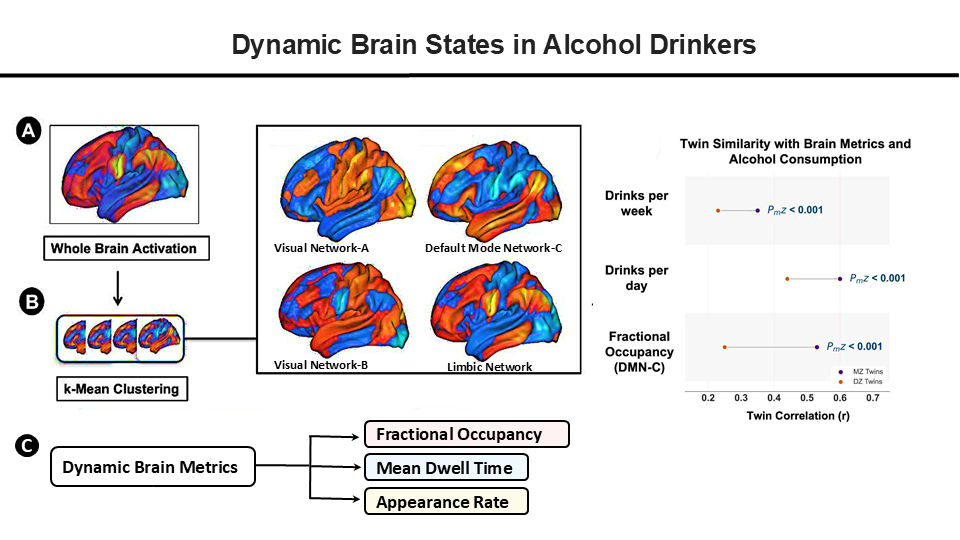
Khushbu Agarwal “Default Mode Network Fractional Occupancy in Monozygotic Twin Alcohol Users is Modulated by Olfactory Identification.” Networks Neuroscience (2026)
-
Roy R, Kothekar R, Bassi T, Jebel A, Chaudhary S, Sarkar S, Balhara YPS, Agarwal K. “What alcohol-related brain differences are made of: a multimodal twin study of structure, function and dynamics.” Preprint (2026)
-
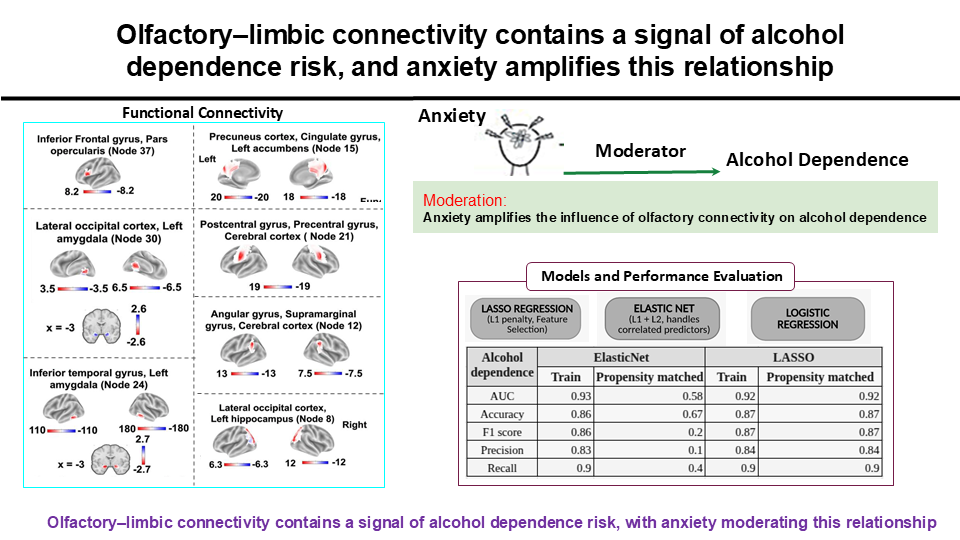
Agarwal K, Chaudhary S, Parma V, Balhara YPS, Sarkar S “Anxiety Modulates Odor-Linked Brain Connectivity and Alcohol Dependence Risk” Brain Communications (2026)
-
Agarwal K, Chaudhary S, Tomasi D, Volkow ND, Joseph PV “Prediction of Alcohol Intake Patterns with Olfaction and Taste Brain Connectivity Networks” Neuropsychopharmacology (2025)
-
Agarwal K, Schaffe-Odeleye T, Marzouk M, Joseph PV “Blunted Hazard Detection and Enhanced Appetitive Odor Recognition in Risky Alcohol Consumers” Journal of Studies on Alcohol and Drugs (2025)
-
Agarwal K, Joseph PV, Zhang R, Schwandt M, Ramchandani V, Diazgranados N, Goldman D, Momenan R “Early Life Stress and Body-Mass Index Modulate Brain Connectivity in Alcohol Use Disorder.” Translational Psychiatry (2024)
-
Agarwal K, Luk JW, Stangl BL, Schwandt ML, Momenan R, Goldman D, Diazgranados N, Ramchandani VA, Joseph PV “Parosmia is Positively Associated with Problematic Drinking, as is Phantosmia with Depressive Symptoms.” Journal of Addiction Medicine (2024)
-
Agarwal K, Schaffe-Odeleye T, Marzouk M, Joseph PV “Diminished Bitter Taste Perception, Enhanced Salt Taste, and Appetitive Odor Identification in Individuals at Risk for Alcohol Use Disorder: National Health and Nutrition Examination Survey (NHANES) 2013–2014” Journal of Studies on Alcohol and Drugs (2024)
-
Agarwal K, Manza P, Tejeda H, Amber BC, Volkow ND, Joseph PV “Risk Assessment of Maladaptive Behaviors in Adolescents: Nutrition, Screen Time, Prenatal Exposure, Childhood Adversities – ABCD Study” Journal of Adolescent Health (2023)
-
Agarwal K, Luk JW, Manza P, McDuffie C, To L, Jaime-Lara RB, Stangl BL, Schwandt ML, Momenan R, Goldman D, Diazgranados N, Ramchandani VA, Joseph PV “Chemosensory Alterations and Impact on Quality of Life in Persistent Alcohol Drinkers.” Alcohol and Alcoholism (2022)
-
Agarwal K, Manza P, Chapman M, Nawal N, Biesecker E, McPherson K, Dennis E, Johnson A, Volkow ND, Joseph PV “Inflammatory Markers in Substance Use and Mood Disorders: A Neuroimaging Perspective” Frontiers in Psychiatry (2022)
-
Agarwal K, Manza P, Leggio L, Livinski AA, Volkow ND, Joseph PV “Sensory Cue Reactivity: Sensitization in Alcohol Use Disorder and Obesity.” Neuroscience & Biobehavioral Reviews (2021)
-
Agarwal K, Demiral SB, Manza P, Volkow ND, Joseph PV “Relationship Between BMI and Alcohol Consumption Levels in Decision Making” International Journal of Obesity (2021)
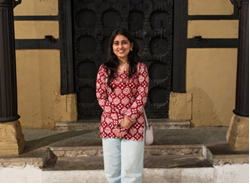
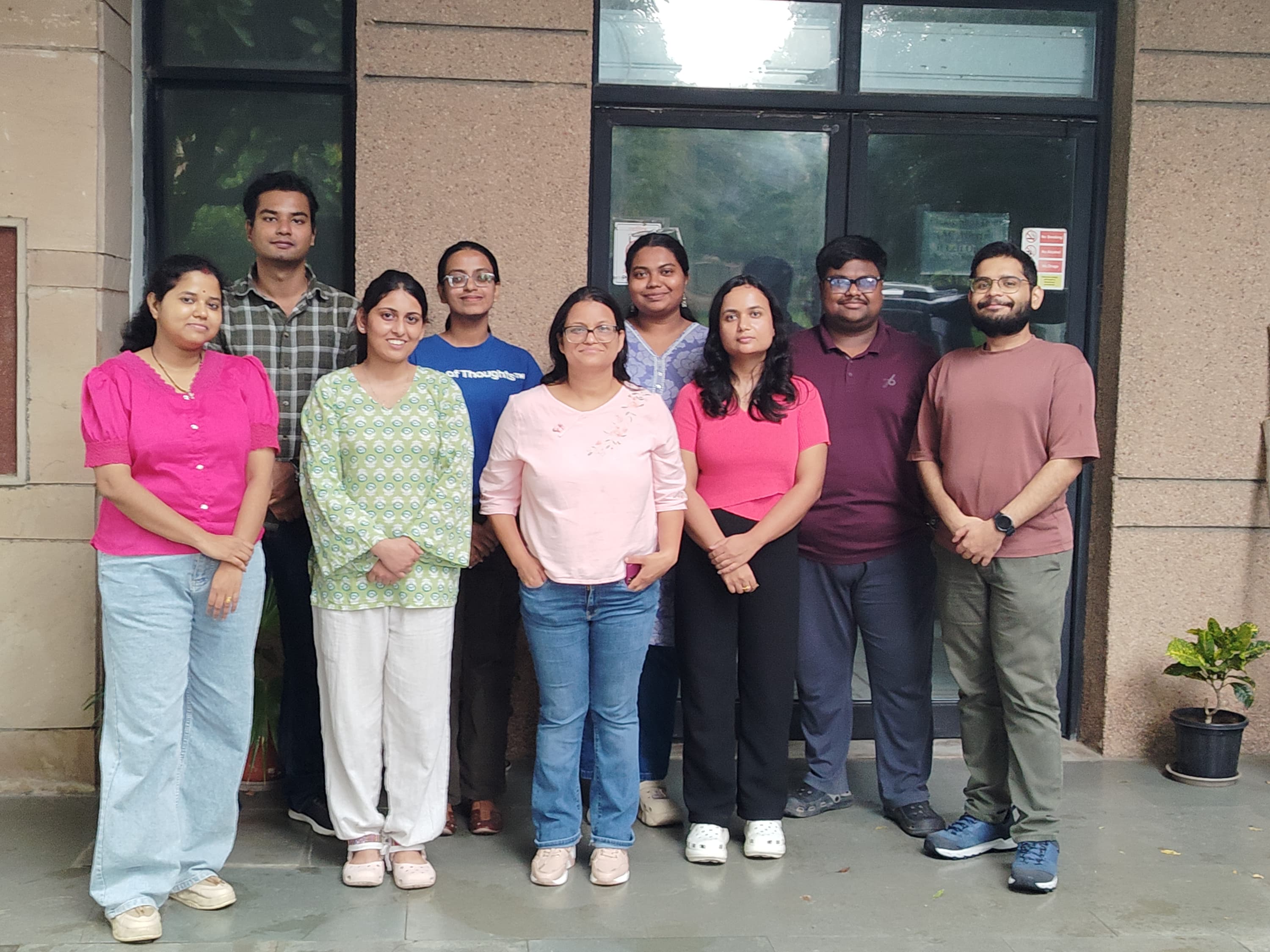
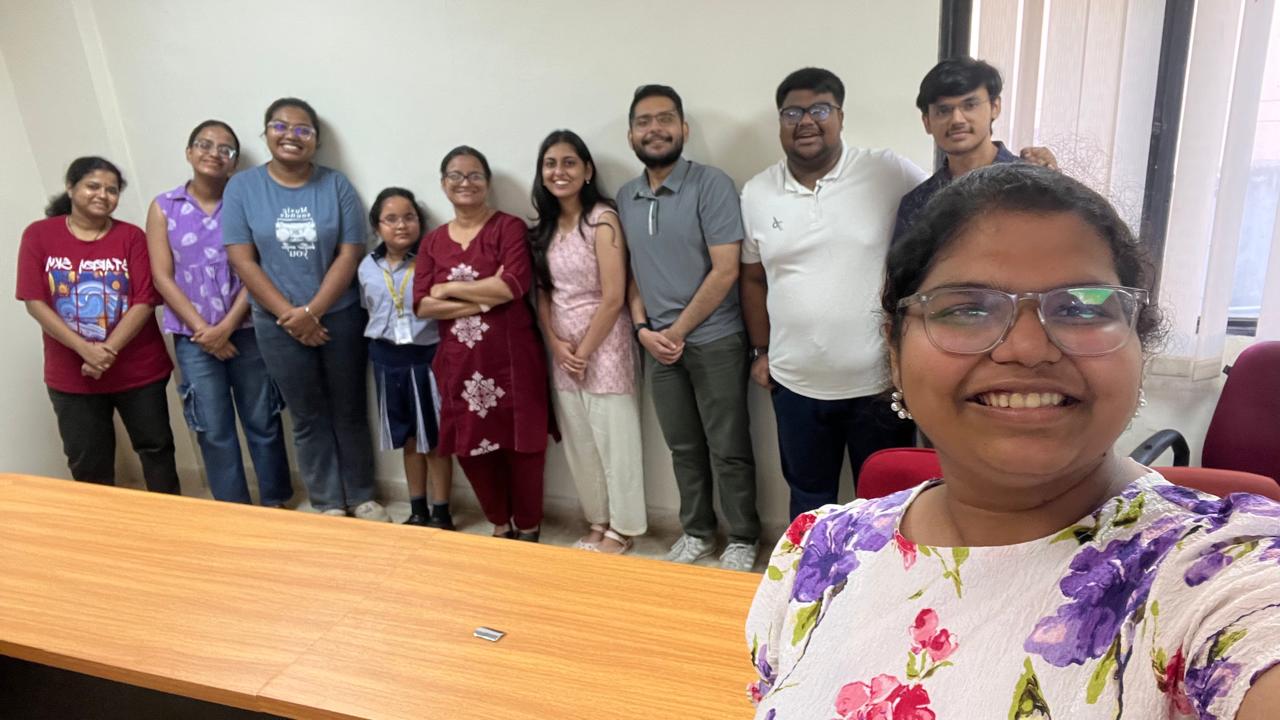
Tanya Bassi
Project Employee
Project Associate
Tanya completed her MSc in Human Genomics from Panjab University and BSc in Life Sciences from the University of Delhi. She is currently a Project Associate at NBRC, studying alterations in olfactory and neural networks of alcohol drinking populations via neuroimaging and transcriptomics.
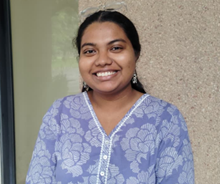
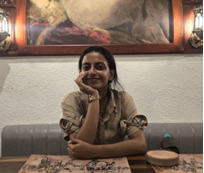
Angel Hassa
Phd Student
Junior Research Fellow
Angel completed her Integrated BS-MS in Biological Sciences, with a minor in Chemical Sciences, from IISER Kolkata. Currently she is working on a project to understand the olfactory triggers and neural pathways associated with migraine.
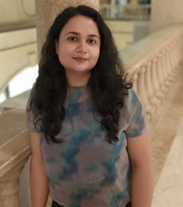
Jasmine John
Phd Student
Junior Research Fellow
Jasmine completed her Masters in Life Sciences from St Xavier's College, Mumbai. She is working on understanding the neurobiological correlates of Problematic digital behaviours.
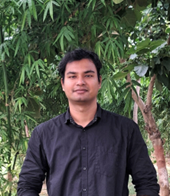
Ankita Chaudhary
Phd Student
Junior Research Fellow
Master's in Biochemistry from Banaras Hindu University. Currently, she is working on a project focused on investigating the effects of alcohol consumption on brain organization by integrating multiscale whole-brain connectomics, neuroimaging, computational approaches and molecular pathway analysis to understand the mechanisms underlying alcohol-related brain changes.
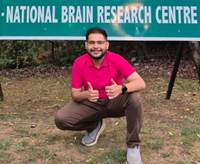
Bedanta Gogoi
Phd Student
Junior Research Fellow
Bedanta completed his Masters in Life Sciences Zoology from Manipur University. His research investigates how maternal alcohol exposure and olfactory cues during pregnancy alter placental and neural signatures associated with autism using human cohorts, mouse models, and computational approaches.
Rahul
Project Employee
Research Assistant
M.Sc. in Neuroimaging for Clinical and Cognitive Neuroscience from University of Manchester. M.A. in Clinical and Counselling Psychology from TISS, Mumbai. Currently he is working on a project applying Network Control Theory to diffusion and functional MRI data to study how pleasant odor intervention reshapes alcohol-cue related brain dynamics in alcohol use disorder.
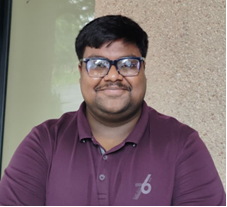
Ritam Kanti Roy
Others
Intern
MSc in Biotechnology from Jadavpur University. Currently he is working on the bioenergetics of the alcohol addiction relevant brain networks and building clinically relevant simulation interfaces.
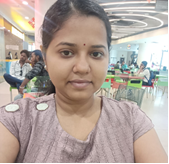
Shweta
Others
Intern
B.tech in Electronics and Communication from Bengal College of Engineering and Technology, Maulana Abul Kalam Azad University of Technology. She is currently an intern at NBRC. Currently, working on clinical data collection and understanding the role of the olfactory system in the alcohol drinking population.
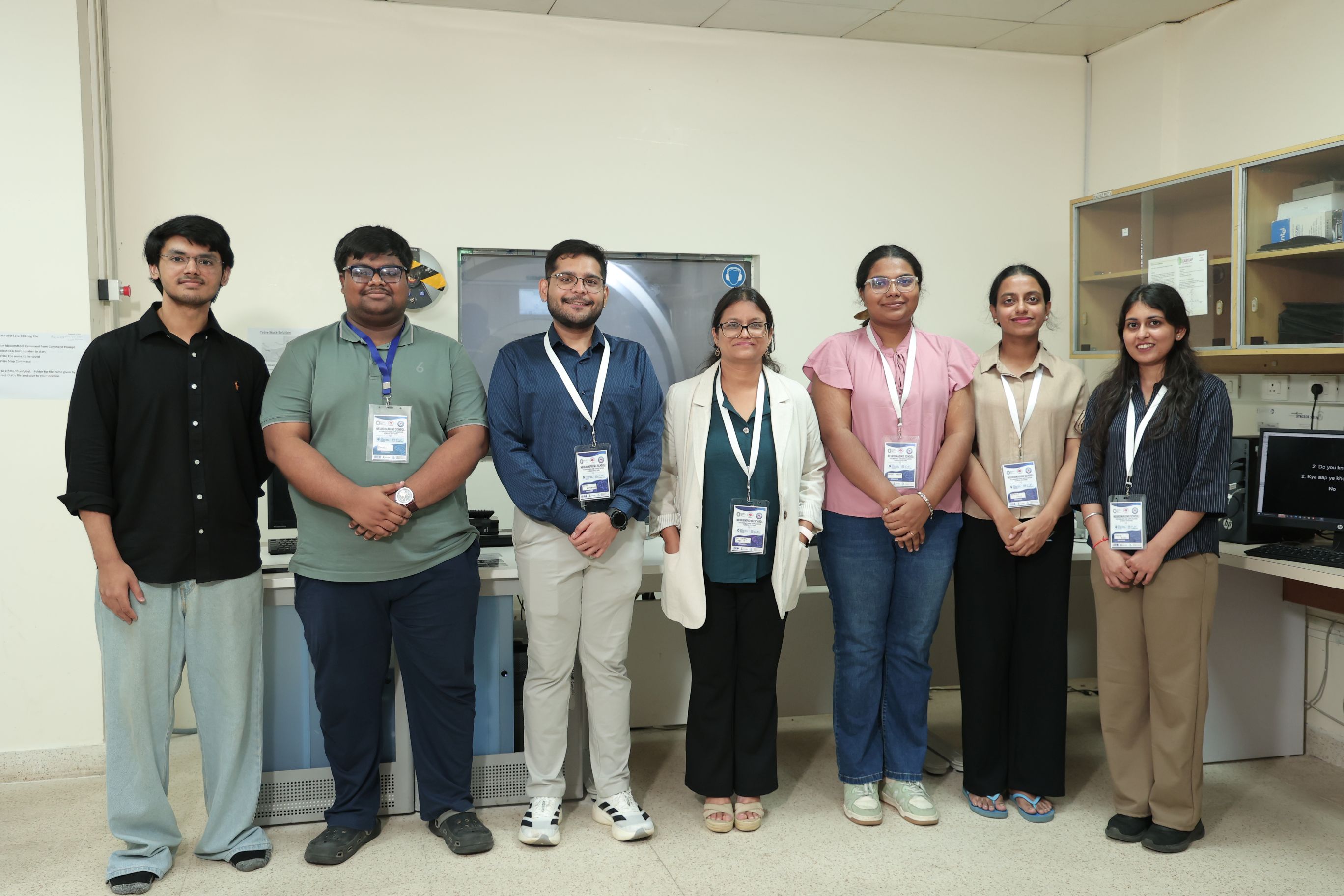
October 2026 – We will host the IBRO-funded school, Neuroimaging in Neuroscience: Techniques and Applications Across Systems, at NBRC.
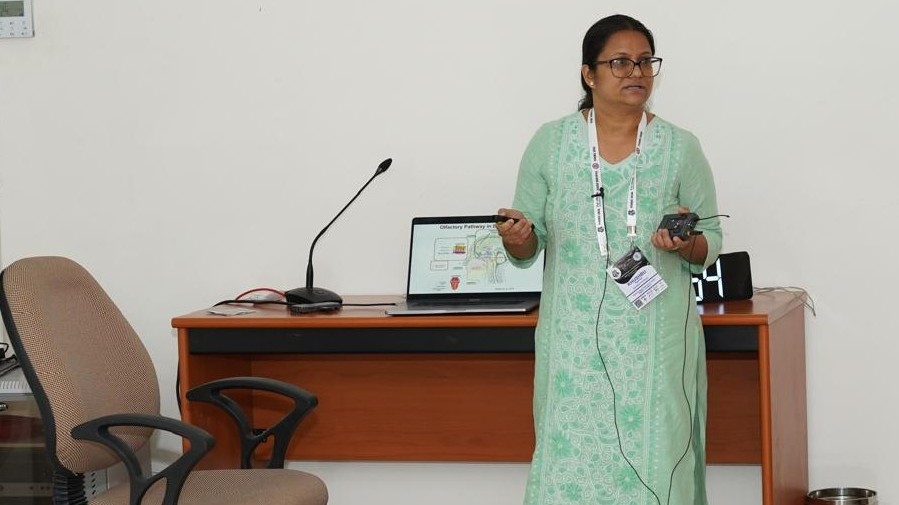
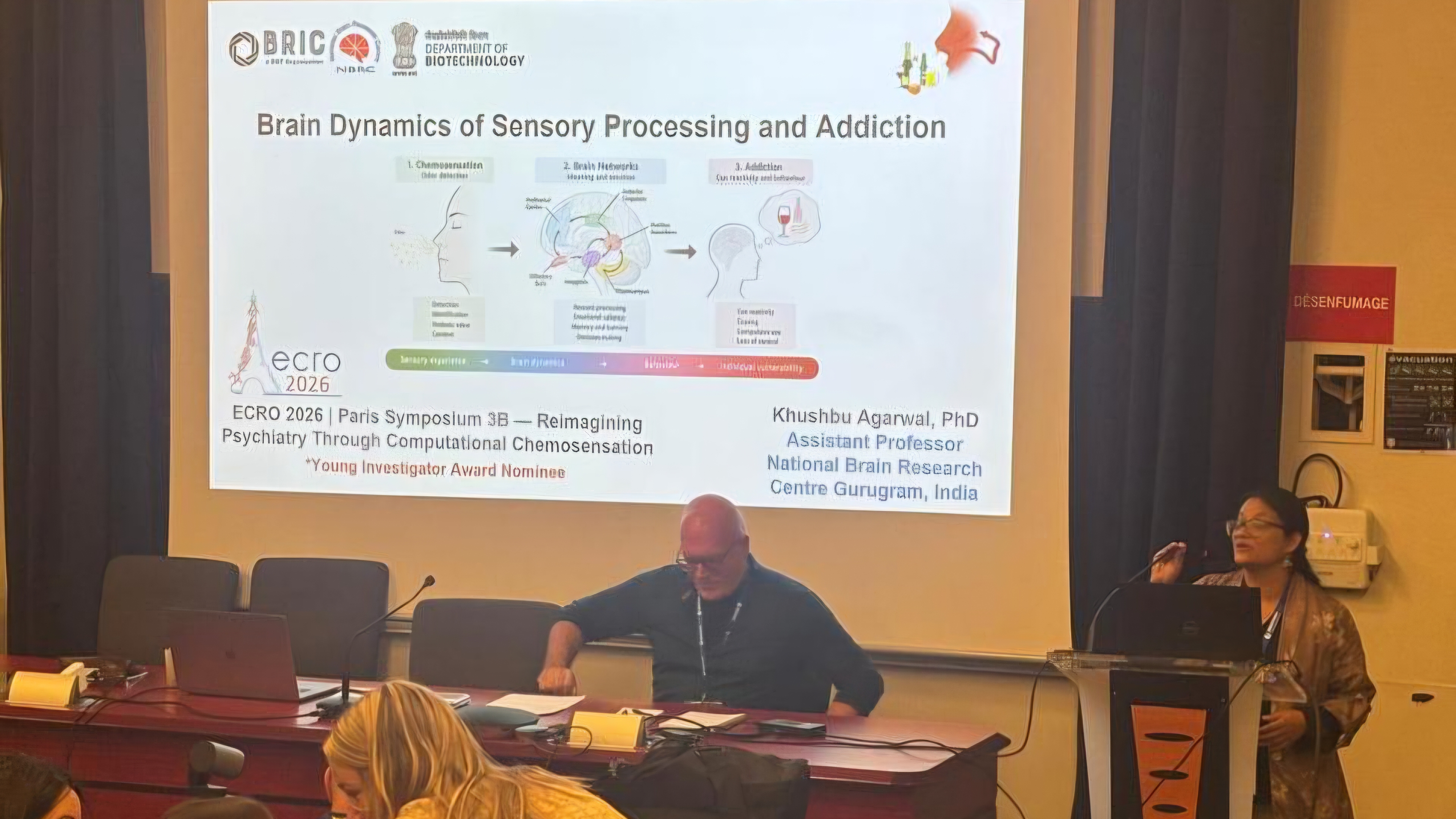
September 2026 – Dr Khushbu Agarwal chaired the symposium Reimagining Psychiatry through Computational Chemosensation at the ECRO XXXVI Annual Meeting in Paris, France. She was also nominated for the Young Investigator Award at the conference.
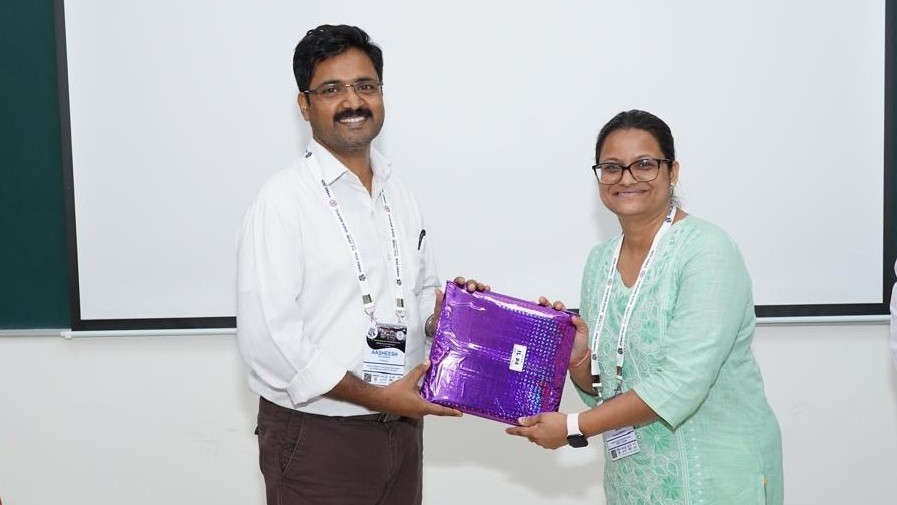
July 2026 – Dr Khushbu Agarwal was invited to speak at the Annual Conference of the National Magnetic Resonance Society of India at IISER Bhopal.
March 2026 - Dr Khushbu Agarwal delivered an invited lecture in Cognitive Sciences at IIT Delhi.
December 2025 – We hosted the conference Neuroimaging: Clinical and Preclinical Perspectives 2025 at NBRC.
NBRC CORE FUND
National Brain Research Centre (NBRC) is supported by the Department of Biotechnology (DBT), Ministry of Science & Technology, Government of India, and provides core institutional support for research activities and infrastructure.
DBT – RAMALINGASWAMI RE-ENTRY FELLOWSHIP
The Department of Biotechnology (DBT), Ministry of Science & Technology, Government of India, supports biomedical research and scientific talent through the Ramalingaswami Re-entry Fellowship.
ICMR – SMALL RESEARCH GRANT
The Indian Council of Medical Research (ICMR) is India's apex body for the formulation, coordination and promotion of biomedical research and supports investigator-led research through its extramural funding programmes.
IBRO RISING STARS AWARD
The International Brain Research Organization (IBRO) supports the development of early-career neuroscientists through its Rising Stars Award, providing support for emerging independent neuroscience research.
PhD and Integrated PhD applicant: Not available
Postdoctoral Fellow:
Lab is interested in candidates who want to pursue a post-doctoral career. Please send your resume and a cover letter describing your interest in our lab. Also arrange for two references who can comment on your scientific ability. Although we are open about your background, we are keen on having somebody with a background in physics, mathematics and computer science. Post-doc will be supported by ICMR – Small Research Grant fund with travel support for meetings and conferences.
Project Assistant:
Candidates with MSc in either Physics, Chemistry or Biology can apply.
NBRC accepts summer interns through the Indian Academy of Science. Please apply directly to IAS and indicate your lab choice.
- IBRO Rising Stars Award, International Brain Research Organization (IBRO), 2026
- NIH Summer Intern Mentor Award, National Institute on Alcohol Abuse and Alcoholism (NIAAA), 2024
- Daniel Hommer Outstanding Fellow Award, National Institute on Alcohol Abuse and Alcoholism (NIAAA), 2024
- ACNP International Global Scholarship, American College of Neuropsychopharmacology (ACNP), 2024
SCIENTIFIC LEADERSHIP & MENTORING
- ECRO XXXVI Symposium Chair, 2026
- IBRO Neuroimaging School Organizer, 2026
- Supervisor/Mentor to 4 PhD scholars
- NIH/NIAAA trainee mentoring
- Google Summer of Code (GSoC) — 2026: GSoC Mentor, National Brain Research Centre (NBRC) / EBRAINS (NeuroSim) —2026.
- NIH Clinical Center Postdoctoral Representative, National Institutes of Health.
TRAINING & INDEPENDENCE
- PhD, MRI/MRS - AIIMS New Delhi
- Postdoctoral research, NIAAA/NIH
- NIH K99/R00 Pathway to Independence
- DBT Ramalingaswami Fellow
- Independent research program established at NBRC
- Center for Compulsive Behaviors NIH Grant
- IBRO Associate School Funding 2026
- All India Institute of Medical Sciences (AIIMS), New Delhi
- CSIO, CSIR, Chandigarh
- IIT Jodhpur
- Monell Chemical Senses Centre, Philadelphia, USA
- Dresden Technical University, Germany
- Ambrosia, Odor Research & Development Company, New Delhi
No Alumni found.