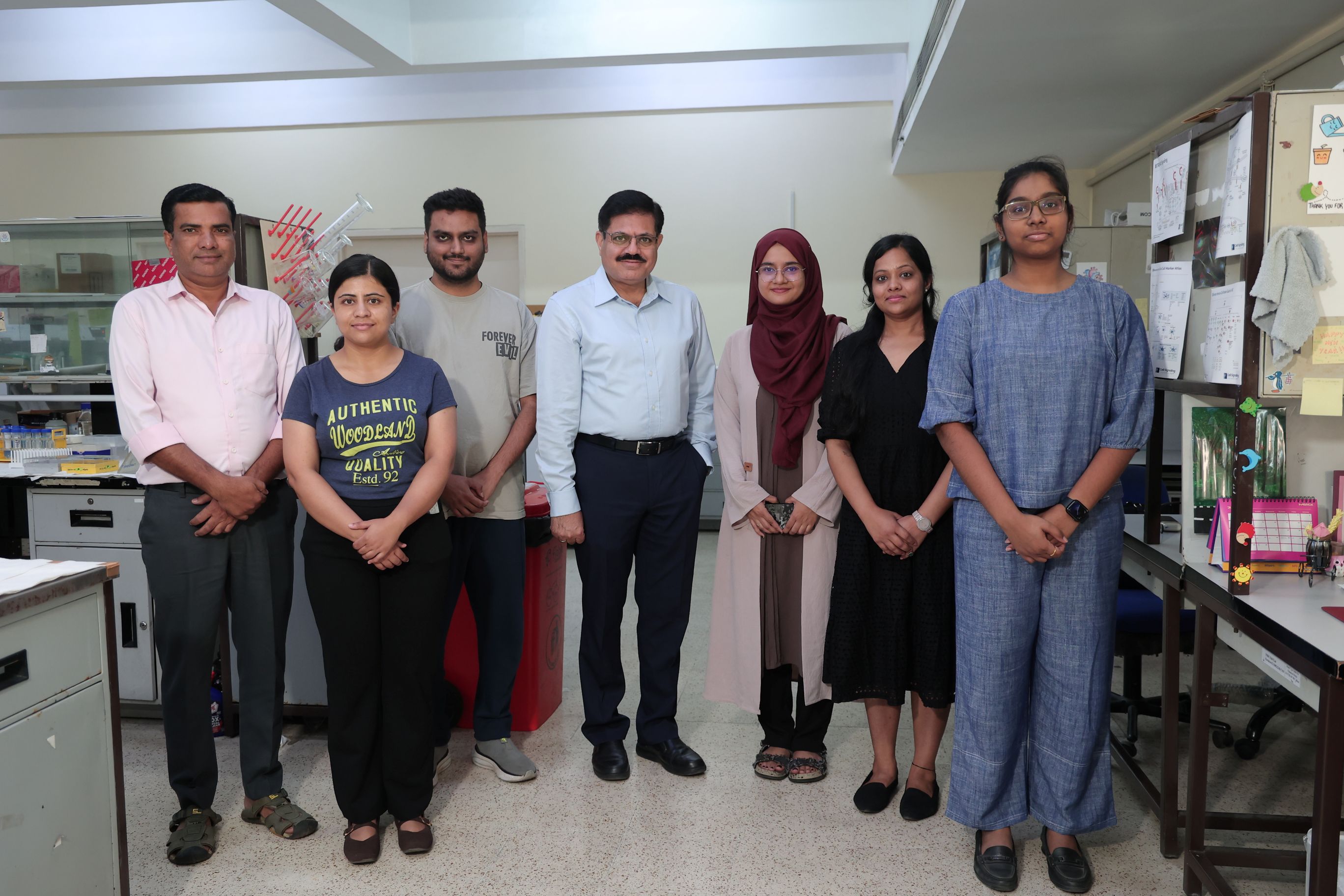

Dr. Pankaj Seth
Scientist-VII / Senior Professor



1. Human Neural Stem Cell as an in vitro model
Lack of appropriate animal models for studying HIV neuropathogenesis has been one of the major challenges for progress of the neuroAIDS field. We developed a novel cell culture model of multi-potent human neural precursor cells obtained from human fetal brain tissue. These cells have the potential to be maintained either in an undifferentiated state or can be selectively differentiated into highly purified populations of human neurons or astrocytes and possibly oligodendrocytes. Our laboratory has successfully used Human neural stem cells in various ongoing studies in our laboratory, other laboratories of NBRC as well as collaborations with other national institutions. The model is well accepted by the neuroscience field as our work has been accepted and published in numerous journals (listed below) and is a unique research resource for the neuroscience community.- Dev et al Free Radic Biol Med. 14; 229:39-57, 2025
- Arora et al Experimental Neurology 19: 114493, 2023
- Bindu et al Molecular Neurobiology 2023
- Kaur et al Frontiers Cellular Neuroscience17: 1173120, 2023
- Singal et al ASN Neuro 13: 1-15, 2021.
- Bhagat et al Brain Res. Bulletin 176: 93-102 2021.
- Prajapati et al Cell Death and Discovery 6:28, 2020.
- Prajapati et al RNA Biology 16(1):13-24, 2019.
- Bhagat et al Cell Death and Differentiation 25:1837-1854- 2018.
- Fatima et al Glia 65(2):250-263, 2017.
- Fatima et al Cell Death and Differentiation 23: 776-786, 2016.
- Bhagat et al Int. J Biochem Cell Biology 74: 60-71, 2016.
- Tewari et al J Neurochemistry 132: 464-476, 2015 Featured on Cover Page of Feb 2015 issue of the journal).
- Dev et al Free Radical Biology & Medicine 86: 78-89, 2015.
- Malik et al J Neuro Immuno Pharmacology 9: 340-353, 2014.
- Durgadoss L et al., FASEB J 26(4): 1473-1483, 2012.
- Chennupati V et al., Biochemistry 50 (21): 4521-4536, 2011.
- Malik S et al., PLoS One 6 (3): e18116, 2011.
- Mishra et al., Neuroreport. 22:23-27, 2011.
- Mishra et. al., J of Neurovirology 16(5):355-367, 2010.
- Karunakaran et al., J of Neuroscience 28: 12500-12509, 2008.
- Mishra et al., Annals of Neurology 63: 366-376, 2008.
- Sharma et al, Brain Research Bull. 73: 55-63, 2007.
2. Human Inducible Pluripotent Stem Cells (Human iPSCs) derived Cerebral Brain Organoids –
Patient specific disease models continue to pose a colossal challenge even in our times of scientific advancement. Animal models often fail to truly represent human disorders, specifically for neuropsychiatric and neurological disorders. Autopsy brain samples of controls and diseased brain are scarcely available for research and for use to understand disease pathogenesis. With the espial and discovery of induced pluripotent stem cells, scientists have pioneered into various avenues of therapeutic treatments, regenerative medicine and drug discovery. Our lab aims to study the feasibility of patient specific personalize medicine by harnessing patient-specific adult cells and umbilical cord blood cells derived iPSCs. We use these cells as a model for neuroAIDS research and neuropsychiatric disorders. We have now developed human iPSC derived human brain organoids containing microglia for their use for disease. Our novel iPSC derived human brain organoids models will help gain insights into etiology and pathophysiology of an array of neurological disorders and disease modelling particularly of neurodevelopmental disorders (NDDs). Human cerebral brain organoids very closely represent the early events in utero fetal brain development with tremendous specificity to humans in contrast to animal models, cell lines. Our vision is to establish patient specific iPSC derived human brain organoids for understanding the disease pathogenesis in humans and explore a possible cure to progressive neurological disorders and diseases.3. Zika viral proteins affect human fetal brain derived neural stem cells –
Laboratory is pursuing studies to explore underlying mechanisms for Zika virus (ZV) mediated induction of quiescence in the primary cultures of human fetal neural stem cells (fNSCs). Our studies indicate that ZV envelope (E) protein displays maximum quiescence in human fNSCs by affecting cell cycle as compared to other non-structural proteins viz. NS2A, NS4A and NS4B. Our global microRNA sequencing (miRNA Seq) and analysis of miRNA Seq suggests that E protein modulates miRNA circuitry of fNSCs. We also perform Bioinformatic analysis using GO annotation for the targets of differentially expressed miRNAs and have some interesting findings. This further supports our findings that ZV E-protein alters cell cycle dynamics. Our study provides evidence for involvement of ZV E protein, novel insights into molecular mechanism through identification of miRNAs circuitry.- Arora et al Experimental Neurology 19: 114493, 2023
- Bindu et al Molecular Neurobiology 2023
- Kaur et al Frontiers Cellular Neuroscience17: 1173120, 2023
- Bhagat et al Cell Death and Differentiation 25:1837-1854 – 2018.
4. HIV-1 has Clade specific effects on human brain cells
Using this cell culture system, we have contributed in unraveling the mystery of inherent neurotoxicity differences in various clades of HIV-1, particularly HIV-1B and HIV-1C. We have demonstrated that presence of a dicysteine motif at position 30-31 is important for the neurotoxic functions of HIV-1B protein Tat, the absence of which in HIV-1C makes it lesser neurotoxic. This finding has provided new insights in HIV neuropathogenesis and correlates well with clinical observations of surprisingly low incidences of HIV-1 associated neurological disorders in AIDS patients in India. This research accomplishment was featured in NATURE India http://www.natureasia.com/en/nindia/article/10.1038/nindia.2008.191 M. Mishra et al., Annals of Neurology 63: 366-376, 2008(Highly cited) 5. Role of Glia-Neuronal Interplay in NeuroAIDS
Recent revelations in neuroscience field suggest that the most abundant glial cell of human brain, the astrocyte, plays many roles in healthy and diseased brain than was previously recognized. Keeping pace with the field, we are actively investigating the effect of HIV on neuron-glia communications in the brain and their role in HIV neuropathogenesis. To closely mimic the in vivo conditions, we have established a neuron-astroglia co-culture system from fetal human brain derived neural precursor cells as a model to study neuron-glia interplay. This model is being validated by FACS as well as immunocytochemistry for lineage-specific markers and appropriate ratio of these cells as co-cultures. Recently various research studies have shown that HIV viral proteins enhance apoptosis (programmed cell death) in both neurons and astrocytes in co-culture models and that is mediated via release of inflammatory cytokines and chemokines. However, the cellular and molecular events occurring at the level of neuron-glia interactions in HIV Associated Neurocognitive Disorder still remain elusive and an important area of research in the field of neuroAIDS. Available literature in the field suggests an up-regulation of gap junction proteins and water channels in astrocytes (in vitro) or fixed tissue upon HIV infection. Owing to the permeability of gap junction channels (GJC) to various ions and second messengers, we are investigating the role of GJC in calcium mediated excitotoxicity in HIV mediated dementia using live cell imaging, fluorescent dye transfer experiments and molecular biology tools like PCR, Western blotting and arrays. Tewari et al J Neurochemistry 132: 464-476, 2015 (Featured on Cover Page of Feb 2015 issue of the journal). More recently, our laboratory demonstrated that HIV-1 Tat mediates its effects through voltage dependent anion channel-1 (VDAC-1) that are regulated via miRNA320a in astrocyte-mediated neuronal damage in neuroAIDS. These findings, have been validated in post mortem brain samples of AIDS patients. Fatima et al., Glia 65(2):250-263.
Editorial Responsibility
- Senior Editor, American Society of Neurochemistry (ASN Neuro), 2020 – till date.
- Editor, Medical Virology, Virus Disease, March 2013 –till date
- Associate Editor, NeuroInfectious Disease Section, Frontiers in Neurology, Switzerland, January 2020 – January 2022.
- Review Editor, Frontiers in Neuropharmacology, Switzerland, 2014 – till date
- Guest Editor, Frontiers in Microbiology (Virology Section), Switzerland, 2015 – 2018
- Guest Editor, Special Edition of Current HIV Research, USA 2015-2016.
- Member, Editorial Board, American Society of Neurochemistry, USA, 2018-2020.
- Member, Editorial Board, Neurochemistry International, USA, 2012 – till date
- Associate Editor, Journal of Neurovirology, USA 2009 – till date
- Associate Editor, Annals of Neurosciences, India 2009 – till date
Collaborators
Research
- Singal et al ACS Chem Neuroscience, 1;11(13):1887-1899, 2020.
1. Human Neural Stem Cell as an in vitro model
Lack of appropriate animal models for studying HIV neuropathogenesis has been one of the major challenges for progress of the neuroAIDS field. We developed a novel cell culture model of multi-potent human neural precursor cells obtained from human fetal brain tissue. These cells have the potential to be maintained either in an undifferentiated state or can be selectively differentiated into highly purified populations of human neurons or astrocytes and possibly oligodendrocytes. Our laboratory has successfully used Human neural stem cells in various ongoing studies in our laboratory, other laboratories of NBRC as well as collaborations with other national institutions. The model is well accepted by the neuroscience field as our work has been accepted and published in numerous journals (listed below) and is a unique research resource for the neuroscience community.- Dev et al Free Radic Biol Med. 14; 229:39-57, 2025
- Arora et al Experimental Neurology 19: 114493, 2023
- Bindu et al Molecular Neurobiology 2023
- Kaur et al Frontiers Cellular Neuroscience17: 1173120, 2023
- Singal et al ASN Neuro 13: 1-15, 2021.
- Bhagat et al Brain Res. Bulletin 176: 93-102 2021.
- Prajapati et al Cell Death and Discovery 6:28, 2020.
- Prajapati et al RNA Biology 16(1):13-24, 2019.
- Bhagat et al Cell Death and Differentiation 25:1837-1854- 2018.
- Fatima et al Glia 65(2):250-263, 2017.
- Fatima et al Cell Death and Differentiation 23: 776-786, 2016.
- Bhagat et al Int. J Biochem Cell Biology 74: 60-71, 2016.
- Tewari et al J Neurochemistry 132: 464-476, 2015 Featured on Cover Page of Feb 2015 issue of the journal).
- Dev et al Free Radical Biology & Medicine 86: 78-89, 2015.
- Malik et al J Neuro Immuno Pharmacology 9: 340-353, 2014.
- Durgadoss L et al., FASEB J 26(4): 1473-1483, 2012.
- Chennupati V et al., Biochemistry 50 (21): 4521-4536, 2011.
- Malik S et al., PLoS One 6 (3): e18116, 2011.
- Mishra et al., Neuroreport. 22:23-27, 2011.
- Mishra et. al., J of Neurovirology 16(5):355-367, 2010.
- Karunakaran et al., J of Neuroscience 28: 12500-12509, 2008.
- Mishra et al., Annals of Neurology 63: 366-376, 2008.
- Sharma et al, Brain Research Bull. 73: 55-63, 2007.
2. Human Inducible Pluripotent Stem Cells (Human iPSCs) derived Cerebral Brain Organoids –
Patient specific disease models continue to pose a colossal challenge even in our times of scientific advancement. Animal models often fail to truly represent human disorders, specifically for neuropsychiatric and neurological disorders. Autopsy brain samples of controls and diseased brain are scarcely available for research and for use to understand disease pathogenesis. With the espial and discovery of induced pluripotent stem cells, scientists have pioneered into various avenues of therapeutic treatments, regenerative medicine and drug discovery. Our lab aims to study the feasibility of patient specific personalize medicine by harnessing patient-specific adult cells and umbilical cord blood cells derived iPSCs. We use these cells as a model for neuroAIDS research and neuropsychiatric disorders. We have now developed human iPSC derived human brain organoids containing microglia for their use for disease. Our novel iPSC derived human brain organoids models will help gain insights into etiology and pathophysiology of an array of neurological disorders and disease modelling particularly of neurodevelopmental disorders (NDDs). Human cerebral brain organoids very closely represent the early events in utero fetal brain development with tremendous specificity to humans in contrast to animal models, cell lines. Our vision is to establish patient specific iPSC derived human brain organoids for understanding the disease pathogenesis in humans and explore a possible cure to progressive neurological disorders and diseases.-
D. Dey, S Tyagi, Shrivastava V, Rani S, Sharma JB, Sinha S, Palanichamy JK, Seth P, Sen S “Using human fetal neural stem cells to elucidate the role of the JAK-STAT cell signaling pathway in oligodendrocyte differentiation in vitro” Molecular Neurobiology (2024)
-
Khan M.T, Almas M, Malik N, Jalota A, Sharma S, Ali A Sk, Luthra K, Suri V, Suri A, Basak S, Seth P, Chosdol K and Sinha S “STAT1 mediated downregulation of the tumor suppressor gene PDCD4, is driven by the atypical cadherin FAT1, in glioblastoma” PMID: (2024)
-
Sarkar AK, Kaur G, Seth. P, Jana NR and Jana NR “Autophagy-Induced Nanoparticle-Based Clearing of Toxic Huntingtin Protein Aggregates from Neuron Cells” ACS Applied Nanomaterials (2024)
-
Arora H, Prajapati B and Seth P “Potential role of lncRNA in impairing cellular properties of human neural progenitor cells following exposure to Zika virus E protein.” Experimental Neurology July 19 (2023)
-
Bindu Pandey HS and Seth P “Interplay between Zika virus-induced autophagy and neural stem cell fate determination” Molecular Neurobiology (2023)
-
Kaur G, Pant P, Bhagat R and Seth P “Zika virus E protein modulates functions of human brain microvascular endothelial cells and astrocytes: implications on blood-brain barrier properties” Frontiers in Cellular Neuroscience (2023)
-
AK Sarkar, K Debnath, H. Arora, P. Seth, NR. Jana and NR Jana “Direct Cellular Delivery of Exogenous Genetic Material and Protein 2 via Colloidal Nano-Assemblies with Biopolymer” ACS Applied Material and Interfaces (2022)
-
Seth Pankaj and Priyanka Singh “Insights into role of mortalin in Alzheimer disease, Parkinson disease and HIV 1 Associated neurocognitive disorders” Frontiers in Cell and Developmental Biology (In Press) (2022)
-
Shrivastava V, Dey D, Singal CMS, Jaiswal P, Singh A, Sharma JB, Chattopadhyay P, Nayak NR, Palanichamy JK, Sinha S, Seth P, Sen S “Glutamate uptake is not impaired by hypoxia in a culture model of human fetal neural stem cell-derived astrocytes” Genes (Accepted) (2022)
-
Bhagat R, Kaur G, and Seth P “Molecular mechanisms of Zika Virus pathogenesis - an update” Indian Journal of Medical Research (Accepted) (2021)
-
Bhagat R, Rajpara P, Kaur G, Gupta K and Seth P “Zika virus E protein dysregulate mir-204 WNT2 signalling in human fetal neural stem cells” Brain Research Bulletin (2021)
-
Bhattacharya A, Jha V, Singhal K, Fatima M, Singh D, Chaturvedi G, Dholakia D, Kutum R, Pandey R, Bakken TE, Seth P, Pillai B, Mukerji M “Multiple Alu exonization in 3UTR of a primate specific isoform of CYP20A1 creates a potential miRNA sponge” Genome Biology and Evolution 7;13(1):evaa (2021)
-
Chaudhuri R, Arora H and Seth P “Mitochondrial calcium signaling in the brain and its modulation by neurotropic viruses” Mitochondrion (Accepted) (2021)
-
Pandey HS, Kapoor, R, Bindu, and Seth, P “Coronin 1A facilitates calcium mobilization and promotes astrocyte reactivity in HIV-1 Neuropathogenesis” FASEB BioAdvances (2021)
-
Saliu IO, Bhagat R, Ojo OB, Akinmoladun AC, Olaleye MT, Seth P,Velayudhan R “Reduction of anoxia-induced bioenergetic disturbance in astrocytes by methanol fruit extract of Tetrapleura tetraptera and in silico evaluation of the effects of its antioxidant constituents on excitotoxicity” Toxicology Reports (2021)
-
Singal Chitra MS, Jaiswal P, Anuradha Mehta A, Saleem K and Seth P “Role of EphrinA3 in HIV-1 neuropathogenesis” American Society of Neurochemistry - Neuro (2021)
-
Prajapati B, Fatima M, Fatma M, Maddhesiya P, Arora H, Naskar T, Devasenapathy S, Seth P, Sinha S “Temporal transcriptome analysis of neuronal commitment reveals the preeminent role of the divergent lncRNA biotype and a critical candidate gene during differentiation.” Cell Death Discov. 2020 Apr 24;6:28 (2020)
-
Rajan R., Divya K. P., Kandadai R. M., Yadav R., Satagopam V. P., Madhusoodanan U. K., Agarwal P., Kumar N., Ferreira T., Kumar H., Sreeram Prasad A. V., Shetty K., Mehta S., Desai S., Kumar S., Prashanth L. K., Bhatt M., Wadia P., Ramalingam S., Wali G. M., Pandey S., Bartusch F., Hannussek M., Kruger J., Kumar- Sreelatha A., Grover S., Lichtner P., Sturm M., Roeper J., Busskamp V., Chandak G. R., Schwamborn J., Seth P., Gasser T., Riess O., Goyal V., Pal P. K., Borgohain R., Kruger R., Kishore A., Sharma M. and Lux G. C “Genetic Architecture of Parkinsons Disease in the Indian Population - Harnessing Genetic Diversity to Address Critical Gaps in Parkinsons Disease Research” Front Neurol, 11 (2020)
-
Raza SS, Seth P, and Khan MA “Primed Mesenchymal Stem Cells: A Potential Novel Therapeutic for COVID19 Patients” Stem Cell Reviews and Reports 2020 June:1-10 (2020)
-
Singal Chitra MS, Jaiswal Paritosh, Seth Pankaj “SARS-CoV-2 More Than a Respiratory Virus: Its Potential Role in Neuropathogenesis” ACS Chem Neurosci . 2020 Jun 3 (2020)
-
Singh Priyanka, Wadhwa R, Chaudhuri R, Nag, TC and Seth P “Novel role of mortalin in attenuating HIV-1 Tat mediated astrogliosis.” Journal of Neuroinflammation (2020)
-
Gupta P, Singh P , Pandey HS, Seth P and Mukhopadhyay CK “Phosphoinositide-3-kinase inhibition elevates ferritin level resulting depletion of labile iron pool and blocking of glioma cell proliferation” Biochim Biophys Acta (Gen Subject) (2019)
-
Pandey HS, Seth P “Friends Turn Foe-Astrocytes Contribute to Neuronal Damage in NeuroAIDS.” J Mol Neurosci Jun 25 (2019)
-
Prajapati B, Fatma M, Maddhesiya P, Sodhi MK, Fatima M, Dargar T, Bhagat R, Seth P and Sinha S “Identification and epigenetic analysis of divergent long non-coding RNAs in multi-lineage differentiation of human Neural Progenitor Cells” RNA Biology (2019)
-
Prajapati B., Fatma M., Fatima M., Khan M. T., Sinha S. and Seth P. K “Identification of Lncrnas Associated with Neuroblastoma in Cross-Sectional Databases: Potential Biomarkers” Front Mol Neurosci, 12 (2019)
-
Bhagat R, Prajapati B, Narwal S, Agnihotri N, Adlakha, YK, Sen J, Mani S, and Seth P “Zika Virus E protein alters properties of human fetal neural stem cells by modulating microRNA circuitry” Cell Death Differ. 2018 Nov;25(10):1837-1854 (2018)
-
Prajapati B., Fatima M., Maddhesiya P., Sodhi M. K., Fatima M., Dargar T., Bhagat R., Seth P. and Sinha S “Identification and epigenetic analysis of divergent long non-coding RNAs in multilineage differentiation of human Neural Progenitor Cells” RNA Biol (2018)
-
M. Fatima, B. Prajapati, K. Saleem, R. Kumari, C. Singal and P. Seth “Novel insights into role of miR-320a-VDAC1 axis in astrocyte-mediated neuronal damage in neuroAIDS” GLIA Feb (2017)
-
Majumdar A, Ahmad F, Sheikh T, Bhagat R, Pathak P, Joshi SD, Seth P, Tandon V, Tripathi M, Saratchandra P, Sarkar C, Sen E “miR-217-casein kinase-2 cross talk regulates ERK activation in ganglioglioma” J Mol Med (Berl) (2017)
-
Naik A, Patro N, Seth P and Patro IK “Intra-generational protein malnutrition impairs temporal astrogenesis in rat brain” Biology Open (2017)
-
S. Mukherjee, N. Singh, N. Sengupta, M. Fatima, P. Seth, A. Mahadevan, SK Shankar, A. Bhattacharyya and A. Basu “Japanese encephalitis virus induces human neural stem/progenitor cell death by elevating GRP78, PHB and hnRNPC through ER stress” Cell Death Disease Jan 19;8(1):e2556 (2017)
-
Tewari M., Pandey H. S. and Seth P “Using Human Neural Stem Cells as a Model to Understand the Science of Ashwagandha” Book Chapter In- Science of Ashwagandha- Preventive and Therapeutic Potentials pp (2017)
-
Y. Adlakha and P. Seth “The Expanding Horizon of MicroRNAs in Cellular Reprogramming” Progress in Neurobiology Jan (2017)
-
M. Bhagat, JK Palanichamy, P. Ramalingam, M Mudassir, K. Irshad, K. Chosdol, C. Sarkar, P. Seth, S. Goswami, S. Sinha, P. Chattopadhyay “HIF-2 alpha mediates a marked increase in migration and stemness characteristics in a subset of Glioma cells under hypoxia by activating an Oct-4/Sox-2- Mena (INV) axis.” Int J Biochemistry and Cell Biology (2016)
-
M. Fatima, R. Kumari, JC. Schwamborn, A. Mahadevan, SK. Shankar, R. Raja, and P. Seth “Tripartite Containing Motif 32 Modulates Proliferation of Human Neural Precursor Cells in HIV-1 Neurodegeneration” Cell Death and Differentiation May (2016)
-
M. Tewari and P. Seth “Astrocytes in Neuroinflammation and Neuronal Disorders: Shifting the Focus from Neurons” Book Chapter In: Inflammation: the Common Link in Brain Pathologies (2016)
-
Seth P “NeuroAIDS: Past, Present and Future” EDITORIAL In: Current HIV Research (2016)
-
Tandon P. N. and Seth P “Cell Therapy for Neurological Disorders: The Elusive Goal” Neurology India (2016)
-
M. Tewari and P. Seth “Emerging Role of P2X7 Receptors in CNS Health and Disease.” Ageing Research Reviews Nov (2015)
-
M. Tewari, Monika, R. Verghese, M. Menon and P. Seth “Astrocytes mediate HIV-1 Tat-induced neuronal damage via ligand-gated ion channel, P2X7R” Journal of Neurochemistry (2015)
-
S. Dev, S. Kumari, N. Singh, SK Bal, P. Seth, CK. Mukhopadhyay “Role of extracellular hydrogen peroxide on regulation of iron homeostasis genes in neuronal cell: Implication in iron accumulation” Free Radical Biology and Medicine Sep (2015)
-
M. Duan, H. Yao, Y. Cai, K. Liao, P. Seth and S. Buch “HIV-1 Tat Disrupts CX3CL1-CX3CR1 Axis in Microglia Via the NF-?B-YY1 Pathway” Curr HIV Res (2014)
-
S. Malik, R. Saha and P. Seth “Involvement of Extracellular signal-regulated kinase (ERK1/2)-p53-p21 axis in mediating neural stem/progenitor cell cycle arrest in co-morbid HIV-Drug abuse exposure” Journal of Neuroimmune Pharmacology (2014)
-
L. Durgadoss, P. Nidadavolu, K.R. Valli, U. Saeed, M. Mishra, P. Seth, and V. Ravindranath “Redox modification of Akt mediated by the dopaminergic neurotoxin MPTP, in mouse midbrain, leads to down-regulation of pAkt” FASEB J (2012)
-
M. Mishra and P. Seth “Cellular and Molecular Basis of Neurocognitive Deficits in HIV/AIDS. In: Expanding Horizons of Mind Sciences” Nova Science Publishers, Inc, NY, USA. Chapter 21, Pages (2012)
-
M. Pant*, P. Garg* and P. Seth “Central Nervous System Infection by HIV-1: Special Emphasis to NeuroAIDS in India” Proceedings of National Academy of Sci., (India) (2012)
-
S. Buch, H. Yao, M. Guo, T. Mori, P. Seth, J. Wang and T. Su “Cocaine and HIV-1 Interplay: Cellular and Molecular Mechanisms” Curr HIV Res (2012)
-
S. Malik, B. Jayaraman and P. Seth “In Vitro Systems For Understanding Neuro-AIDS. In: Emerging Trends in Zoology” Editors: UC Srivastava and Santosh Kumar; Publishers - Narendra Publishing House, Pages (2011)
-
S. Malik, H. Khalique, S. Buch and P. Seth “A Growth Factor Attenuates HIV-1 Tat and Morphine Induced Damage to Human Neurons: Implication in HIV/AIDS-Drug Abuse Cases” PLoS One (2011)
-
S. Mishra, M. Mishra, P. Seth, SK. Sharma “Tetrahydrocurcumin confers protection against amyloid - induced toxicity” Neuroreport (2011)
-
V. Chennupati, D. Datta, M.R Subba Rao, N. Boddapati, M. Kayasani, R. Sankaranarayanan, M. Mishra, P. Seth, C. Mani, and S. Mahalingam “Signals and Pathways Regulating Nucleolar Retention of Novel Putative Nucleolar GTPase NGP-1(GNL-2)” Biochemistry (2011)
-
M. Mishra, M. Taneja, S. Malik, H. Khalique and P. Seth “HIV-Tat Modulates Proliferation and Differentiation of Human Neural Precursor Cells: Implication in NeuroAIDS” Journal of NeuroVirology (2010)
-
M. Mishra and P. Seth “HIV-1, Its Viral Proteins and the Brain Cells. Effects of Human Immunodeficiency Virus-1 and its Protein on the Brain” Proceedings of International Conference on Biotechnological Approaches to Neuroimmunomodulation and Infectious Disease. (Book chapter) (2008)
-
M. Mishra, S. Vitrevel, N.B. Sidappa, U. Ranga and P. Seth “Clade Specific Neurotoxicity Of HIV Tat in Human Neuron: Significance Of Dicysteine C30C31 Motif” Annals of Neurology (2008)
-
P. Seth and N. Koul “Astrocytes, the Star Avatar: Redefined” J of Biosciences (2008)
-
RL. Thangapazham, AK. Singh, P. Seth, N. Misra, Shafali, VT. Mathad, K. Raj and RK. Maheshwari “Shikonin analogue (SA) 93/637 induces apoptosis by activation of caspase-3 in U937 cells” Frontiers in Biosciences (2008)
-
S. Karunakaran, U. Saeed, R. Khader Valli, M. Mishra, S D Joshi, P. Seth, and V. Ravindranath “Selective activation of p38 in the dopaminergic neurons of substantia nigra leads to nuclear translocation of p53 in MPTP treated mice: Relevance to disease modifying therapy for Parkinson?? disease” Journal of Neuroscience (2008)
-
S. Vitrevel and P. Seth “Current Status of HIV-1 Dementia and HAART: Implications in AIDS Affected Individuals” Annals in Neurosciences (2007)
-
V. Sharma, M. Mishra, A. Basu, S. Ghosh, R. Tiwari, P. Seth and E. Sen “Modulation of Interleukin-1beta Mediated Inflammatory Response in Human Astrocytes by Flavanoids: Implications in Neuroprotection” Brain Research Bull (2007)
-
D.M.P. Lawrence P. Seth, L.C. Durham, F. Diaz, R. Boursiquot, R.M. Ransohoff, and E.O. Major “Astrocyte Differentiation Selectively Up-regulates CCL2/Monocyte Chemoattractant Protein-1 in Cultured Human Brain-Derived Progenitor Cells” Glia (2006)
-
J. Hou, P. Seth and E.O. Major “JC Virus can infect human immune and nervous system progenitor cells: Implication for Pathogenesis” Adv Exp Med Biol (2006)
-
K.E. Steele, P. Seth, K.M. Catlin-Lebaron, B.A. Schoneboom, M.M. Husain, F. Grieder, R.K. Maheshwari “Tunicamycin enhances neuroinvasion and encephalitis in mice infected with venezuelan equine encephalitis virus” Vet Pathology (2006)
-
P. Gupta, P. Seth, M.M. Husain, S.K. Puri, R.K. Maheshwari “Co-infection by Semliki forest virus and malarial parasite modulates viral multiplication, pathogenesis and cytokines in mice” Parasite (2006)
-
P. Seth and E.O. Major “Laboratory Models of HIV-1 Infection And Dementia” Neurotoxicity Research (2005)
-
D.M.P. Lawrence, L.C. Durham, L. Schwartz, P. Seth, D. Maric and E.O. Major “Human immunodeficiency virus type-1 infection of human brain derived progenitor cells” J Virology (2004)
-
P. Seth, F. Diaz and E.O. Major “JC virus induces a non-apoptotic cell death of human CNS progenitor cell derived astrocytes” J Virology (2004)
-
J.P. Gaddipati, S.V. Sundar, J. Calamine, P. Seth, G.S. Sidhu and R.K. Maheshwari “Differential regulation of cytokines and transcription factors in liver by curcumin following hemorrhage/resuscitation” Shock (2003)
-
P. Seth, F. Diaz and E.O. Major “Advances in the biology of JC virus and induction of Progressive Multifocal Leukoencephalopathy” J Neurovirology (2003)
-
P. Seth, M.M. Husain, P. Gupta, B.A. Schoneboom, F.B. Grieder, and R. K. Maheshwari “Early onset of virus infection and up-regulation of cytokines in mice treated with Cadmium and Manganese. Biometals” Biometals (2003)
-
P. Seth, S.V Sundar, R.K. Seth, G.S. Sidhu, S.C. Sharma, D.K. Kulshreshtha and R.K Maheshwari “Picroliv modulates antioxidant status and down-regulates AP1 transcription factor after hemorrhage and resuscitation” Shock (2003)
-
A.K. Singh, P. Seth, P. Anthony, M.M. Husain, S. Madhavan, H. Mukhtar and R.K. Maheshwari “Green tea constituent EpiGallCatechin-3-gallate inhibits angiogenic differentiation of human endothelial cells” Arch of Biophys.& Biochem (2002)
-
H. Mani, G. S. Sidhu, R. Kumari, J.P. Gaddipati, P. Seth and R. K. Maheshwari “Curcumin differentially regulates TGF-beta, its receptor and nitric oxide synthase during impaired wound healing” BioFactors (2002)
-
A.K. Saxena, S.K. Pandey, P. Seth, M.P. Singh, M. Dikshit, and A. Carpy “Synthesis and QSAR studies in 2-(N-aryl-N-aroyl) amino-4,5-dihyrothiazole derivatives as potential anti-thrombotic agents” Bioorganic Med Chemistry (2001)
-
P. Seth, P. Gupta, M.M. Husain, H. Mani, R. Shanker, F.B, Grieder, B.A. Schoneboom, and R.K. Maheshwari “Environmental pollutants and certain therapeutic agents enhance the severity of virus infection: role of cytokines” Pharmacology and Therapeutics in the New Millennium", p542-550. Editor S.K. Gupta, Narosa Publishing Inc, New Delhi, India. (Book chapter) (2001)
-
A.K. Singh, H. Mani, P. Seth, R. Kumari, K.K. Banuadha, D.K. Kulshreshtha, S.K. Sharma and R.K. Maheshwari “Prevention of cell death following ischemia reperfusion injury by picroliv” European Journal of Pharmacology (2000)
-
P. Seth, R. Kumari, A.K. Singh, S. Madhavan, H. Mani, K.K. Banaudha, S.K. Sharma, D.K. Kulshreshtha and R.K. Maheshwari “Prevention of renal ischemia-reperfusion induced injury in rats by picroliv” Biochemical Pharmacology (2000)
-
G.S. Sidhu, H. Mani, J.P. Gaddipati, A.K. Singh, P. Seth, K.K. Banaudha, G.K. Patnaik and R.K. Maheshwari “Curcumin enhances impaired wound healing in streptozotocin induced diabetic rats and genetically diabetic mice” Wound Repair and Regeneration (1999)
-
J.P. Gaddipati, S. Madhavan, G.S. Sidhu, A.K. Singh, P. Seth and R.K. Maheshwari “Picroliv- a natural product protects cells and regulates the gene expression during hypoxia reoxygenation” Molecular and Cellular Biochemistry (1999)
-
P. Seth, H. Mani, A.K. Singh, K.K. Banaudha, S. Madhavan, G.S.Sidhu, J.P. Gaddipati, S.N. Vogel and R.K. Maheshwari “Acceleration of viral replication and up-regulation of cytokines levels by antimalarials: Implications in malaria-endemic areas” Am J Tropical Medicine and Hygiene (1999)
-
R. Kumari, M.P. Singh, P. Seth, and M. Dikshit “Inhibition of platelet aggregation by protein factor present in the rat peripheral polymorphonuclear leukocyte supernatant” Thrombosis Research (1998)
-
P. Seth, R. Kumari and M. Dikshit “Alterations in the free radical generation and nitric oxide release from rat peripheral polymorphonuclear leukocytes following thrombosis” Thrombosis Research (1997)
-
M. Dikshit, S.S. Chari, P. Seth and R. Kumari “Interaction of nitric oxide synthase inhibitors and their D-enantiomers with rat neutrophil luminol dependent chemiluminescence response” British J. Pharmacology (1996)
-
R. Kumari, P. Seth and M. Dikshit “Involvement of bio-antioxidants in thrombosis in mice” Redox Report (1995)
-
P. Seth, R. Kumari, M. Dikshit and R.C. Srimal “Modulation of rat peripheral polymorphonuclear leukocyte response by Nitric oxide & arginine” Blood (1994)
-
P. Seth, R. Kumari, M. Dikshit and R.C. Srimal “Effect of platelet activating factor antagonists in different models of thrombosis” Thrombosis Research (1994)
-
R. Kumari, P. Seth, M. Dikshit and R.C. Srimal “Alterations in the bio-antioxidants following thrombosis” Free Radical Biol. & Medicine (1994)
-
M. Dikshit, P. Seth and R.C. Srimal “Effect of molsidomine and free radical scavengers on the pulmonary thromboembolism in mice” Thrombosis Research (1993)

Dr. Shweta Goyal
Postdoctoral Fellow
DBT Postdoctoral Researcher
She has over nine years of expertise in Biotechnology and Research and Development. Her work spans Stem Cell and Molecular Biology, Neuroscience, Toxicology, Regenerative Medicine, and Mitochondrial Biology. She holds a CSIR UGC qualified PhD in Biological Sciences from CSIR Indian Institute of Toxicology Research and has a proven track record in both academia and industry. At NBRC she is currently investigating the neuropathogenesis of dengue virus infections using cutting edge human iPSC derived brain organoids and neural cell models. Brainstorming life science or any other topic she is always in.

Dr. Guneet Kaur
Postdoctoral Fellow
Research Scientist I
She completed her B.Sc in Biomedical Sciences from Bhaskaracharya College of Applied Sciences, University of Delhi, in 2017, followed by an M.Sc in Neuroscience from NBRC in 2019. She earned her Ph.D. in Neuroscience in 2024. Even her brushstrokes have citations.

Archana Mehta
Phd Student
Senior Research Fellow
B.Sc. In Biotechnology from Dr YSP University Solan in 2017. M.Sc. In Biotechnology from the University of Hyderabad. Qualified CSIR-JRF in 2018. Qualified Gate-Biotechnology in 2019. Joined PhD programme at NBRC in August 2019. If you do not find her in the lab, she is probably out running.

Maulik Patel
Phd Student
Senior Research Fellow
Maulik completed his integrated MSc. in Cell and Molecular Biology from MSU Baroda in 2020. He is very passionate and interested in understanding Host-Pathogen interaction in depth. Depending on time you may find him holding a pipette, a book or a game controller.

Shafaq Aftab
Phd Student
Senior Research Fellow
Shafaq completed her M.Sc. in Zoology from the Aligarh Muslim University in 2023. She has qualified CSIR JRF-2022, GATE Life Science, and GATE Biotechnology in 2023. Commencing her Ph.D. at NBRC in August 2023, she is dedicated to exploring the neurodevelopmental consequences of SARS-CoV-2. Powered by caffeine, charisma and cat memes.

Krishna Rathod
Msc Student
Dissertation Student
B.Sc. in Biotechnology from RTMNU. She qualified JGEEBILS 2024, GATE-XL 2024, GATE-BT 2024, IIT-JAM 2024. She also loves ice cream.

Megharanjani Mitra
Msc Student
MSc Student
B.Sc. in Microbiology from St. Xaviers College Autonomous, Kolkata. She qualified JGEEBILS 2024, GATE-XL 2024 and IIT-JAM 2024. Mithai is her favourite thing.

Ishita Priyadarshini
Msc Student
Dissertation Student
ishitapriyadarshini.53@gmail.com
Ishita completed her B.Sc. Hons. Biochemistry from the University of Delhi in 2025. She has qualified JGEEBILS 2025, GATE-XL 2025, GATE-BT 2025, IIT-JAM 2025, GAT-B 2025, and CUET-PG 2025. She has worked with Danio rerio, Drosophila melanogaster, and calf-thymus DNA. At NBRC she is studying the neuropathogenesis of microplastics using human iPSC derived cerebral organoids. Polyglot. Hooper. Ambiverted lectiophile and ambiocognitive overthinker.
Durga Lal Meena
Others
Lab Technician
B.Sc. in Life Sciences from Indira Gandhi National Open University IGNOU, New Delhi in 2014. M.Sc. in Zoology from VMOU in 2018.

Naushad Alam
Others
Lab Assistant
B.Sc. in Life Sciences from Maulana Azad Urdu University

Dr. Priyanka
Integrated Phd Student
Integrated PhD student (2014 - 2021)
Post Doctorate Fellow, Tenerty Faculty of Medicine, University of Toronto, Canada



Dr. Chitra Mohinder Singh Singal
Integrated Phd Student
Integrated PhD student (2012 - 2022)
Post Doctorate Fellow, Columbia University, New York, USA

Dr. Mahar Fatima
Phd Student
PhD Student (2010 - 2017)
Postdoctoral Fellow, Department of Molecular, Cellular and Developmental Biology, University of Michigan, 4042B Natural Science Building Kraus, 830 North University Avenue, Ann Arbor, MI 48109 1048

Dr. Mamata Mishra
Phd Student
PhD student (2004 - 2009)
Assistant General Manager Scientist, The Esthetic Clinics Clinical Research Organization

Dr. Manju Tewari
Phd Student
PhD Student (2009 - 2016)
Assistant Professor, Kumaun University, India

Dr. Reshma Bhagat
Integrated Phd Student
Integrated M.Sc PhD Student (2012 - 2019)
Postdoctoral Fellow, Department of Genetics, Washington University at Saint Louis, Missouri, USA

Dr. Rituparna Chaudhuri
R&D Engineer
Research Associate DBT (2018 - 2022)
Post Doctorate Fellow, Ravi Muda Shetty Lab, IISc., Banglore, India
Dr. Shaily Malik
Integrated Phd Student
Integrated PhD student (2007 - 2014)
Program Director for MSc in Health Management and Data Intelligence course, Emlyon Business School, France

Dr. Surbhi Kapoor
Msc Student
MSc Student (2018 - 2020)
Postdoctoral Researcher, IGBMC Institut de Genetique et de Biologie Moleculaire et Cellulaire, Strasbourg, France

Janhvi Dhongdi
Msc Student
MSc Student (2021 - 2022)
Research Scholar, IIT Bombay Monash PhD program, IITB, Mumbai, Maharashtra, India


Saumya Rastogi
Project Employee
Project Assistant (2022 - 2023)
Research Scholar, CECAD, Universitat zu Koln