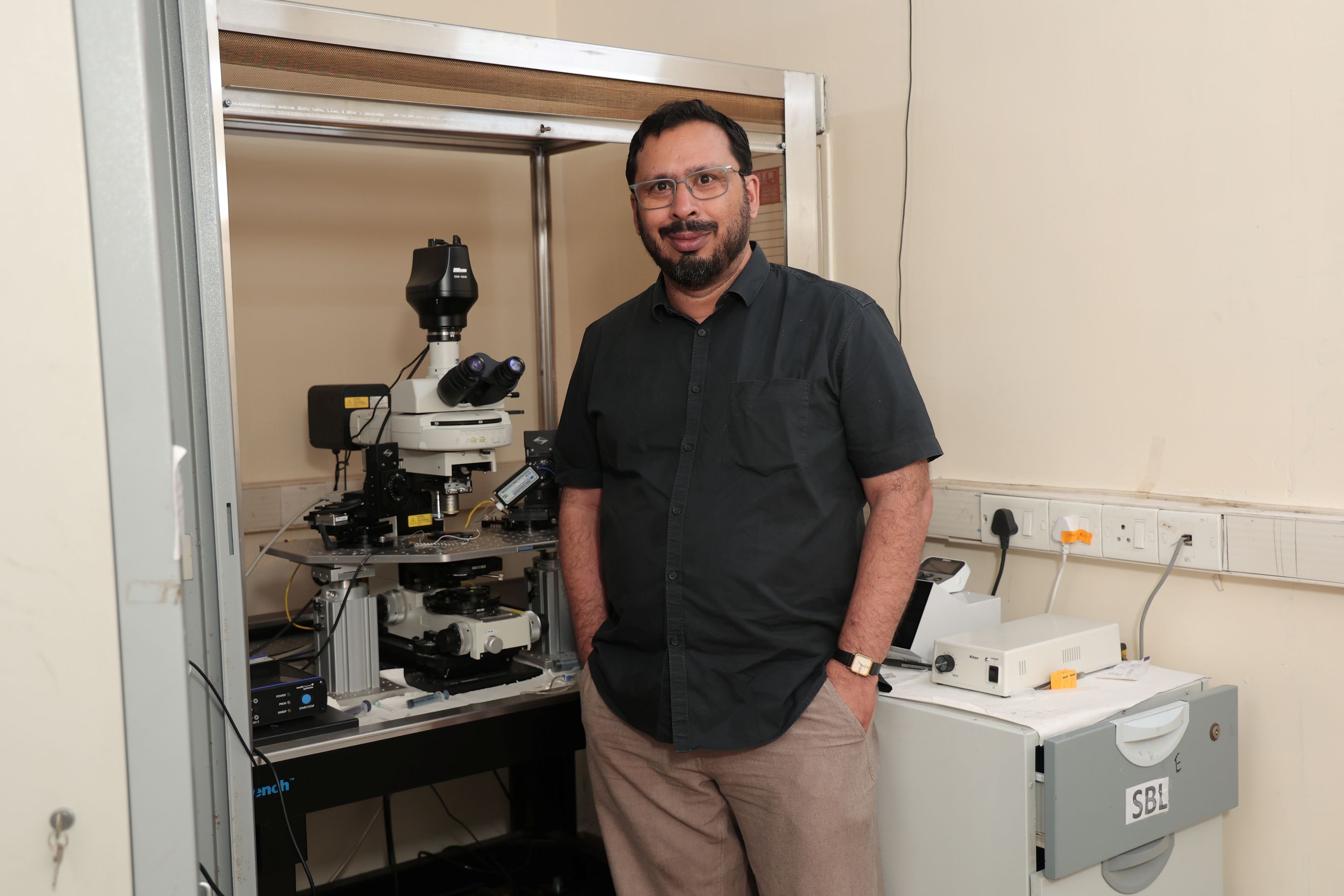
Dr. Sourav Banerjee
Scientist-VI / Professor


Brain functions, ranging from simple reflexes to complex behavior, rely on the precise wiring of millions of neurons, or nerve cells. These neurons communicate with each other through synapses, which are highly specialized structures that mediate the transmission of information from one nerve cell to another. Synapses are established during development, as well as in the adult brain, and are remarkably plastic, undergoing constant remodeling (or synaptic plasticity) in response to experiences while communicating with the outside world. Dysfunction of neuronal circuits leads to numerous nervous system disorders including mental retardation, schizophrenia and autism spectrum disorders. To understand how the dysfunction of neuronal circuit contributes to the wide spectrum of nervous system disorders, it is important to perceive how synapses are formed, maintained, and function in a non-pathological setting. We employ a wide range of biochemical as well as cell biological techniques, behavioural assays, MRI and whole-cell patch clamp recording and use neurons from rat or mouse brain in primary culture or in vivo to address the following topics:
- Regulatory mechanisms of memory formation by long non-coding RNA –mediated control of synapse specific protein synthesis
- Non-coding RNA based mechanisms of synapse formation involved in autism
- Non-coding RNA -based mechanisms of homeostatic synaptic scaling: Implications in autism
- Diet induced regulatory mechanism of adult neurogenesis involving miRNAs and its implication in remodeling of feeding circuitry
Research
- Regulatory mechanisms of memory formation by long non-coding RNA –mediated control of synapse specific protein synthesis
- Non-coding RNA based mechanisms of synapse formation involved in autism
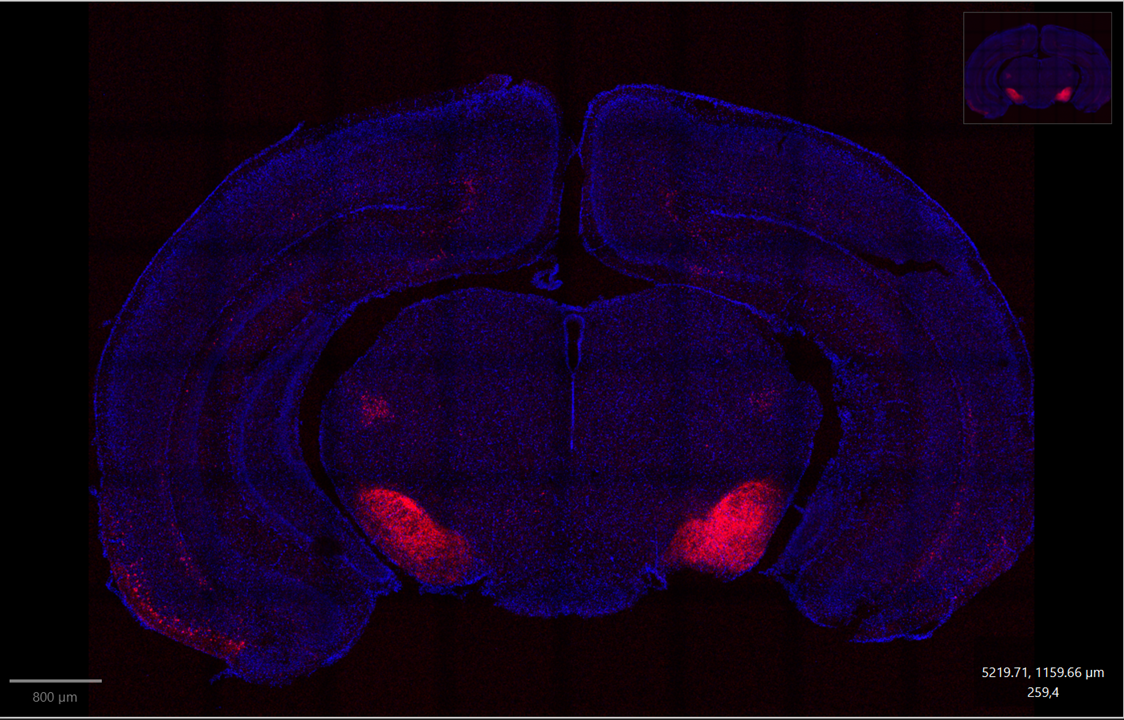
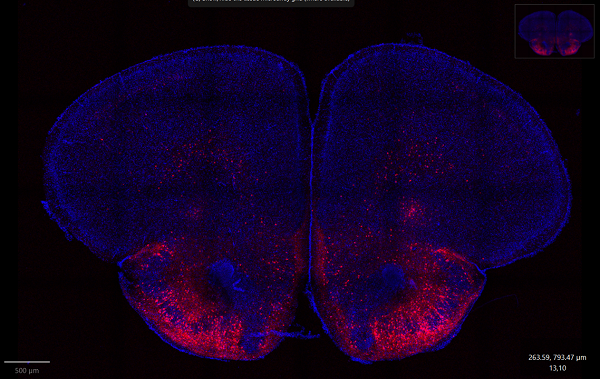
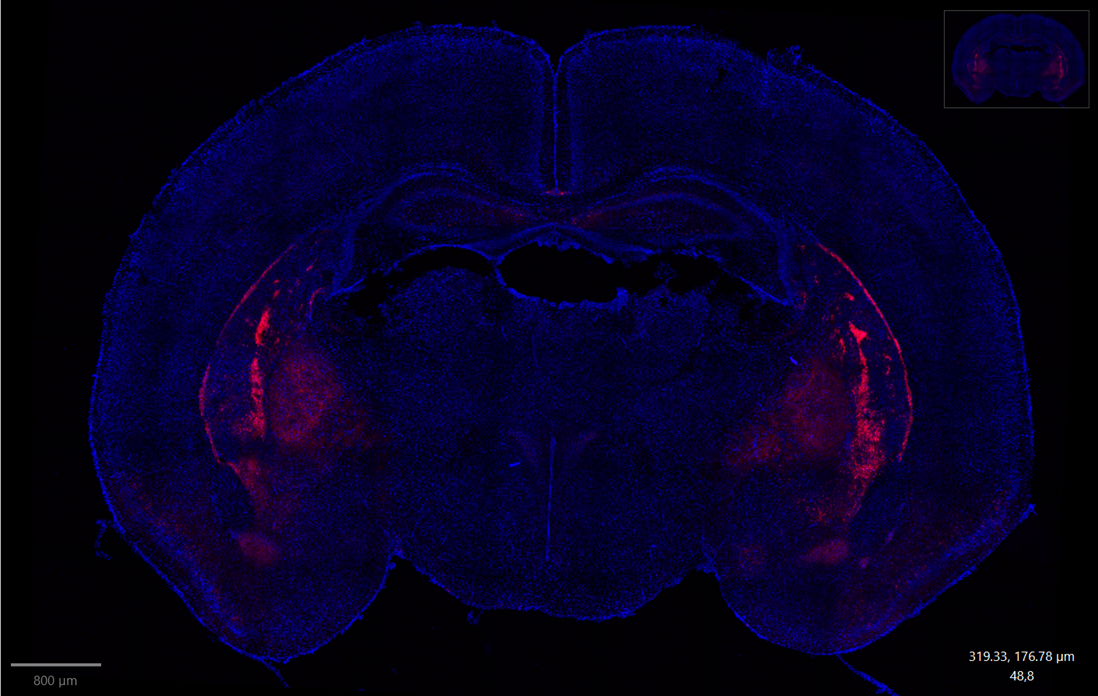
Synapse formation requires precise molecular coordination, yet the role of long non-coding RNAs (lncRNAs) in this process is poorly understood. Our RNA-seq analysis identified synapse-localized lncRNAs in the hippocampus whose expression peaks during key stages of synaptogenesis. Using in utero electroporation, we show that specific lncRNAs selectively regulate excitatory vs. inhibitory synapse formation. Synapse structure and function are assessed by confocal imaging, electrophysiology, and RNA-seq to define downstream pathways. We next examine how lncRNA-dependent synaptogenesis is disrupted in autism using 16p11.2 deletion, CNTNAP2-KO, and FMRP-KO models, focusing on striatal and cerebellar motor circuits. Machine-learning-based gait analysis links altered lncRNA function to motor deficits.
Samaddar, S., et. al. bioRxiv 2023.07.14.549055; doi: https://doi.org/10.1101/2023.07.14.549055; Under Revision- Non-coding RNA -based mechanisms of homeostatic synaptic scaling: Implications in autism
- Diet induced regulatory mechanism of adult neurogenesis involving miRNAs and its implication in remodeling of feeding circuitry
Energy homeostasis is governed by hypothalamic circuits, yet the molecular mechanisms through which diet reshapes these circuits remain poorly understood. Our work identifies a novel non-coding RNA program in β2 tanycytes, a neurogenic niche in the hypothalamus, that links high-fat diet (HFD) exposure to altered feeding behaviour and metabolic dysfunction. We discovered five HFD-induced miRNAs that regulate IGF-associated signalling networks and direct newborn tanycyte-derived neurons toward an orexigenic AgRP fate, increasing food intake, weight gain, and hepatic fat accumulation. Blocking these miRNAs abolishes these effects, revealing a previously unrecognized mechanism by which dietary cues reprogram hypothalamic circuitry and drive obesity risk.
Balakumar, S., et. al. bioRxiv 2023.12.22.573029; doi: https://doi.org/10.1101/2023.12.22.573029; Under Revision-
Garg K, Sharma G, Samaddar S, Banerjee S “The E3 ligase MEX3B forms a tripartite complex with Rest and Hotair to determine the proliferative capacity of neural progenitor cells” Open Biology (2025)
-
Banerjee D, Sultana S, Banerjee S “Gas5 regulates early-life stress-induced anxiety and spatial memory” Journal of Neurochemistry (2024)
-
Liau WS, ....... Srinivasan B, Banerjee S, Clark M, Spitale RC, Bredy TW “Fear extinction is regulated by the activity of long noncoding RNAs at the synapse” Nature Communications (2023)
-
Puri D, Sharma S, Samaddar S, Ravivarma S, Banerjee S, Ghosh-Roy A “Cite Muscleblind-1 interacts with tubulin mRNAs to regulate the microtubule cytoskeleton in C. elegans mechanosensory neurons” PLoS Genetics (2023)
-
Ravichandran K, Khargonkar T, Samaddar S, Banerjee S “CRISPR Based Programmable RNA Editing in Primary Hippocampal Neurons” Current Protocols (2023)
-
Sharma G, Banerjee S “Activity-regulated E3 ubiquitin ligase TRIM47 modulates excitatory synapse development” Frontiers in Molecular Neuroscience (2022)
-
Balakumar, S*., Samaddar, S*., Mylavarapu, S.V.S., Clement, J.P. and Banerjee, S “Homeostatic scaling is driven by a translation-dependent degradation axis that recruits miRISC remodeling” PLOS Biology (2021)
-
Liau, W.S., Samaddar, S., Banerjee, S., Bredy, T.W “On the functional relevance of spatiotemporally-specific patterns of experience-dependent long noncoding RNA expression in the brain” RNA Biology (2021)
-
Samaddar, S., and Banerjee, S “Far from the nuclear crowd: Cytoplasmic lncRNA and their implications in synaptic plasticity and memory” Neurobiology of Learning and Memory (2021)
-
Kumari, P., Balakumar, S., and Banerjee, S “Modulation of hippocampal synapse maturation by activity-regulated E3ligase via non-canonical pathway” Neuroscience (2017)
-
Lee, E. J*., Banerjee, S*., Zhou, H*., Jammalamadaka, A., Arcila, M., Manjunath, B.S., and Kosik, K.S “Identification of piRNAs in the central nervous system” RNA (2011)
-
Shi, Y., Zhao, X., Hsieh, J., Wichterle, H., Impey, S., Banerjee, S., Neveu, P., and Kosik, K. S “microRNA regulation of neural stem cells and neurogenesis” Journal of Neuroscience (2010)
-
Banerjee, S., Neveu, P., and Kosik, K. S “A coordinated local translation control point at the synapse involving relief from silencing and MOV10 degradation” Neuron (2009)
-
Banerjee, S., Kumar, P. B. R., and Kundu, T.K “Transcriptional coactivator PC4 activates p53 function” Molecular and Cellular Biology (2004)
-
Banerjee, S., and Kundu, T.K “The acidic C-terminal domain and A-box of HMGB-1 regulates p53-mediated transcription” Nucleic Acids Research (2003)






Balakumar Srinivasan
Phd Student
Senior Research Fellow
B.Tech. Bioengineering, SASTRA University. My graduate work is to determine the role of non-coding RNAs in adult neurogenesis in the hypothalamus of mice, evoked by high fat diet feeding.

Sarbani Samaddar
Phd Student
Senior Research Fellow
I have done my B.Sc and Masters in Biochemistry from the University of Calcutta. I am currently investigating the role of non-coding RNAs and the miRISC in synaptic plasticity.
Kamakshi Garg
Phd Student
Senior Research Fellow
I did my B.Tech in Biotechnology from USBT, GGSIPU, New Delhi. As part of my PhD work I am trying to investigate the Role of lncRNAs in synapse development in mouse hippocampus

- Department of Biotechnology (DBT)
- Anusandhan National Research Foundation (ANRF)
- Indo-French Centre for the Promotion of Advanced Research (CEFIPRA)
- Global Partnership Research Award, University of Iowa (with Prof. Ted Abel)
- Ramalingaswami Fellowship, DBT
- NBRC Core Fund
- Ted Abel, Iowa Neuroscience Institute, USA
- Dasradhi Palakodeti, Institute of Stem Cell and Regenerative Medicine, Bangalore
- Timothy Bredy, Queensland Brain Institute, Australia
- Swadhin Jana, National Centre for Biological Sciences
- Swadhin Mondal, Chemistry Department, Indian Institute of Science Education & Research, Kolkata
- Sharba Bandyopadhyay, Indian Institute of Technology, Kharagpur
- Barbara Bardoni and Carole Gwizdek, Institute of Molecular and Cellular Pharmacology, Nice, France






Fathima Murshida P
Project Employee
Project Assistant (2018 - 2019)
Ph D Student, University of Bristol


Gaurav Sharma
Msc Student
MSC student (2015 - 2016)
Faculty, Vidyamandir Classes Delhi














Utsav Mukherjee
Msc Student
Project Assistant and MSc Dissertation (2015 - 2019)
Ph D Student, Iowa Neuroscience Institute University of Iowa